
Shopping Cart
There are no more items in your cart
- News
- 0 likes
- 219 views
- 0 comments
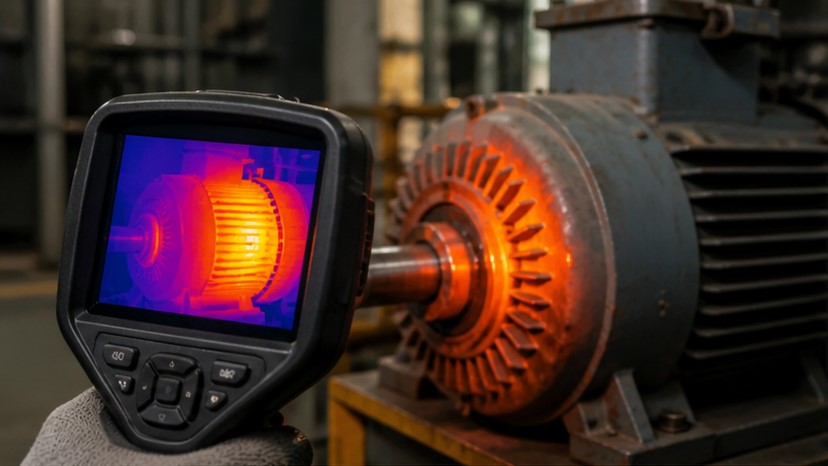
In the demanding environment of modern industrial facilities, the silent killer of productivity is not always an explosive failure or a sudden seizure; frequently, it is the gradual, insidious creep of thermal energy beyond design thresholds. Bearing overheating acts as the primary indicator that a system has lost its thermodynamic equilibrium. When a bearing—the heart of any rotating shaft assembly—begins to generate heat faster than it can dissipate, the lubricant begins to lose its essential viscosity. This viscosity drop initiates a destructive cascade: the protective lubricating film thins, metal-to-metal contact accelerates, friction increases, and the heat generation intensifies further. This feedback loop is the hallmark of thermal failure. Understanding this process requires moving beyond basic maintenance observations and delving into the physics of friction, the chemistry of lubricants, and the structural stresses placed on rolling elements. By establishing a culture of proactive thermal management, maintenance teams can shift from emergency repairs to reliability-centered practices, ensuring that equipment operates within its intended lifespan.
Our Products: Angular Contact Ball Bearings
The Physics of Friction and Heat Generation
To truly address the problem of bearing overheating, one must first respect the mechanical complexity of the bearing assembly. A bearing is not merely a steel housing for balls or rollers; it is a precision-engineered interface designed to operate under Elastohydrodynamic Lubrication (EHL) conditions. In a healthy state, the rolling elements are separated from the raceways by a microscopic film of oil—often mere microns thick. This film is responsible for supporting the load and preventing the microscopic asperities of the metal surfaces from interlocking. When heat is introduced, the base oil within the grease or lubricating oil undergoes physical changes, becoming less viscous. As the viscosity drops, the “load-carrying capacity” of that microscopic film diminishes proportionately.
Once the film breaks down, the friction coefficient spikes. This is the transition point from hydrodynamic friction—where the fluid carries the load—to boundary friction, where the asperities of the steel surfaces grind against each other. This physical contact generates significant localized heat. As the temperature rises, the metal components of the bearing begin to expand. If the bearing was installed with specific tolerances, this expansion can effectively eliminate the internal clearance required for operation. The bearing begins to tighten against its own housing and shaft, which generates even more heat through increased preload and stress. It is a thermodynamic nightmare that, left unchecked, leads to the softening of the steel, deformation of the raceways, and eventually, the complete seizure of the shaft.
Primary Factors Driving Thermal Failure
Identifying the root cause of overheating is an exercise in elimination. While the symptom is always “heat,” the etiology varies significantly based on the operating environment and the maintenance history of the asset.
1. Lubrication Dynamics and Management
Lubrication is arguably the most complex variable in the overheating equation. Many maintenance teams operate under the assumption that “more grease is better,” a misconception that is arguably the leading cause of bearing failure in the field. When a bearing housing is over-packed with grease, the rolling elements are forced to churn through the lubricant matrix. This internal resistance creates a massive amount of “churning heat.” Unlike heat caused by surface wear, this heat is often erratic and may dissipate if the excess grease is purged, but it frequently damages the seals or causes the grease to oxidize prematurely before that happens.
Furthermore, the choice of grease chemistry plays a critical role. If a base oil viscosity is too low for the load and speed, the film will fail. If the thickener type is incompatible with the existing grease in the bearing, the mixture can bleed out, leaving behind a hard, ineffective cake that provides no lubrication at all. In extreme cases, the grease degrades into a carbonized state that acts like an abrasive, further scoring the raceways and compounding the thermal issue.
More Bearings: Spherical Plain Bearings
2. Mechanical Misalignment and Preload
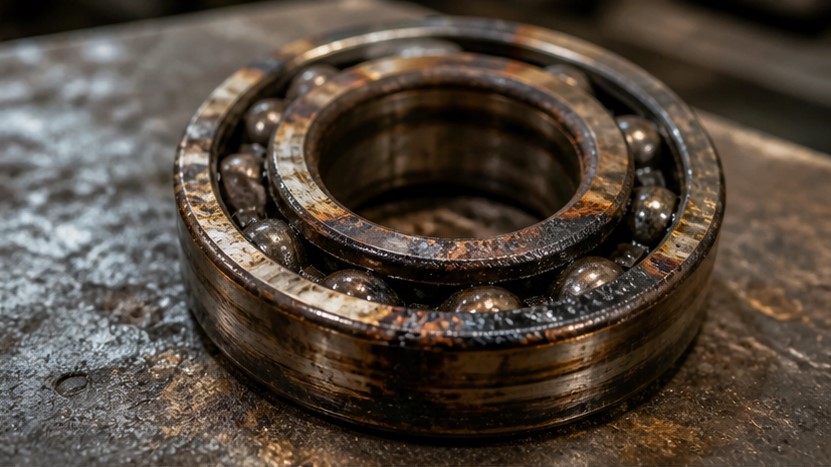
Mechanical misalignment is the second pillar of thermal stress. When a shaft is not perfectly aligned with the driven load, the bearing is subjected to “edge loading.” Instead of the force being distributed evenly across the rolling elements, the load is concentrated on the shoulder of the race. This concentrated stress creates immense localized friction. A bearing running in a cocked or misaligned position will produce distinct heating patterns that can be detected through thermal imaging, often showing an uneven heat gradient across the housing.
Closely related to misalignment is the issue of incorrect internal clearance or “preload.” During installation, if the fit on the shaft or within the housing is excessively tight, the bearing loses its internal clearance. As the machine reaches operating temperature, the components expand. If there is no internal “breathing room,” the bearing effectively puts itself under extreme preload. This forces the rolling elements to deform slightly as they pass through the load zone, creating a massive amount of heat that is independent of any lubrication issue.
3. Electrical Discharge Machining (EDM)
In facilities utilizing Variable Frequency Drives (VFDs) to control motor speed, electrical fluting has become a prevalent, yet often overlooked, cause of overheating. When a motor is controlled by a VFD, high-frequency currents can find a path to ground through the bearing assembly. As these currents jump from the rolling elements to the raceways, they create micro-arcs, causing localized welding and pitting. This process is known as Electrical Discharge Machining (EDM). Over time, thousands of these micro-welds create “fluting” patterns that look like washboard ridges on the raceways. This damage causes severe vibration and localized friction, which leads to high operating temperatures. Standard temperature monitoring might suggest a lubrication issue, but replacing the grease will never solve the problem if the electrical path remains active.
Our Products: Ball Bearings
4. Environmental Contamination and Sealing
The operating environment often dictates the life of the lubricant. If the sealing arrangement is compromised, dust, water, or abrasive particles can enter the bearing cavity. Contaminants act as solid particles that disrupt the lubricant film. Abrasives, in particular, physically remove material from the raceway, increasing the internal clearance beyond design specifications, which then leads to unstable rotation and heat. Moisture is even more dangerous; it can emulsify the grease, rendering it completely ineffective, and lead to oxidation or corrosion. Once rust begins to form on the rolling elements or raceways, the surface becomes rough. A rough surface is a source of friction, and friction is the mother of heat.
Advanced Diagnostic Strategies
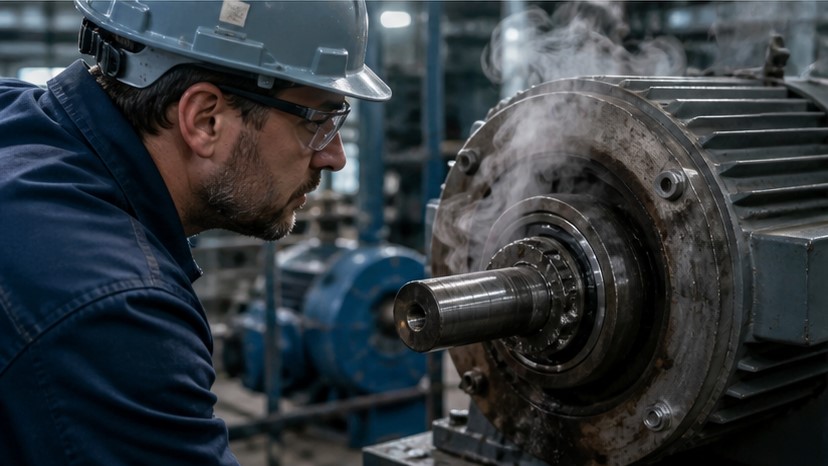
Modern maintenance relies on the ability to interpret data before the thermometer hits the red line. A reactive strategy of waiting for heat is a failing strategy. Instead, reliability engineers must deploy a suite of diagnostic tools to observe the health of the bearing in real-time.
- Vibration Spectrum Analysis: This is the most powerful tool for detecting the source of the heat. While thermal imaging tells you that the bearing is hot, vibration analysis tells you why. A high-frequency spike in the acceleration spectrum can pinpoint raceway fatigue or cage damage, while a low-frequency pattern can highlight shaft misalignment.
- Ultrasonic Condition Monitoring: Bearings emit high-frequency sound waves long before heat is generated. Ultrasonic sensors detect the “friction noise” of the rolling elements. If a bearing is becoming dry or if a lubricant film is breaking down, the ultrasonic decibel levels will rise, providing a leading indicator of overheating before thermal energy actually builds up.
- Thermal Trend Analysis: Relying on a single snapshot is poor practice. Thermal energy should be tracked as a trend. A sudden jump in temperature is a symptom of a lubrication or operational anomaly, whereas a slow, steady increase over several weeks is a hallmark of component fatigue or lubricant degradation.
- Oil and Grease Analysis: Periodic sampling of the lubricant allows for the detection of wear particles. The presence of metallic debris, water, or oxidized additives in the grease provides an objective laboratory confirmation of the internal conditions of the bearing, allowing technicians to make informed decisions about whether to purge the grease or replace the bearing entirely.
Our Products: Roller Bearings
Proactive Remediation and Maintenance Standards
The solution to bearing overheating is usually found in the “Precision Maintenance” methodology. This involves standardizing installation and maintenance practices to eliminate human error, which is the most frequent variable in bearing reliability.
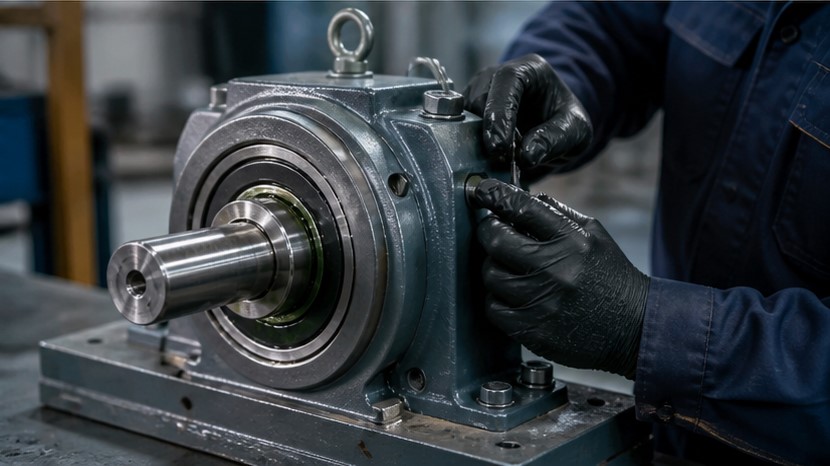
Precision installation begins with ensuring the shaft and housing fits are within the manufacturer’s specified tolerances. Technicians should utilize induction heaters or hydraulic mounting tools rather than direct impact (hammering), which can brinell the raceways before the machine ever starts. During the mounting process, checking internal clearance with feeler gauges ensures the bearing is not preloaded.
Once installed, the lubrication strategy must be data-driven. This involves calculating the exact grease quantity required based on the bearing dimensions and the operating speed, and then documenting this in the facility’s asset management software. Automating the greasing schedule using single-point lubricators can remove the human error of “over-greasing” and ensure that fresh lubricant is introduced in small, consistent amounts, maintaining the optimal thickness of the protective film.
Alignment standards must also be enforced. Laser alignment tools are no longer a luxury; they are a necessity for any rotating machine. By achieving “soft foot” correction and perfectly aligning the shafts, the parasitic loads that force bearings to run hot are eliminated. When these precision standards are combined with a predictive monitoring program, the machine becomes a stable asset rather than a liability.
Conclusion
Bearing overheating is a diagnostic signal that requires disciplined investigation rather than reflexive action. By analyzing the interplay between lubrication chemistry, mechanical alignment, and electrical potential, industrial teams can move beyond the symptoms and address the root causes of thermal instability. True bearing reliability is achieved through a combination of precision installation, rigorous environmental protection, and a predictive mindset that treats temperature data as a roadmap for maintenance intervention. By mastering these principles, facilities can protect their most critical assets and ensure the sustained performance of their rotating machinery.
Need a professional audit of your rotating equipment? Contact the technical experts at Alma Bearings today for advanced failure analysis, vibration diagnostics, and customized reliability strategies.
Our Products: Deep Groove Ball Bearings
Frequently Asked Questions
1. What are the most common signs of bearing overheating aside from heat?
Aside from rising temperatures, other signs include unusual high-pitched noise, vibration spikes detected by monitoring equipment, leakage of discolored or burnt-smelling grease from the seals, and electrical “fluting” marks on the raceways if the motor is VFD-driven.
2. Can a bearing ever be “rescued” if it gets too hot?
In most industrial cases, the answer is no. If a bearing has reached temperatures sufficient to degrade the grease or temper the steel, the metallurgical properties of the bearing are likely compromised. Attempting to “cool it down” or regrease it is a temporary fix that typically delays an inevitable and more destructive failure.
3. Why does VFD speed control lead to bearing overheating?
VFDs utilize Pulse Width Modulation (PWM) to control motor speed. This process can induce a voltage on the motor shaft. If that voltage finds a path to the frame through the bearings, it creates EDM, which welds the raceways and causes intense localized friction and heat.
4. How often should I check bearing temperature?
The frequency depends on the criticality of the machine. For critical assets, temperature should be monitored continuously via permanently installed sensors. For standard machinery, a monthly or weekly route-based inspection using thermal cameras is generally sufficient to establish a baseline trend.
5. Is adding grease the first step when a bearing feels hot?
Absolutely not. The first step is to confirm the temperature baseline, check for vibration anomalies, and inspect the existing grease condition. If the bearing is overheating due to over-greasing or mechanical misalignment, adding more grease will only worsen the condition.
Comments (0)