
Shopping Cart
There are no more items in your cart
- News
- 0 likes
- 158 views
- 0 comments
- industrial bearing buying guide, how to buy industrial bearings, bearing selection for engineers
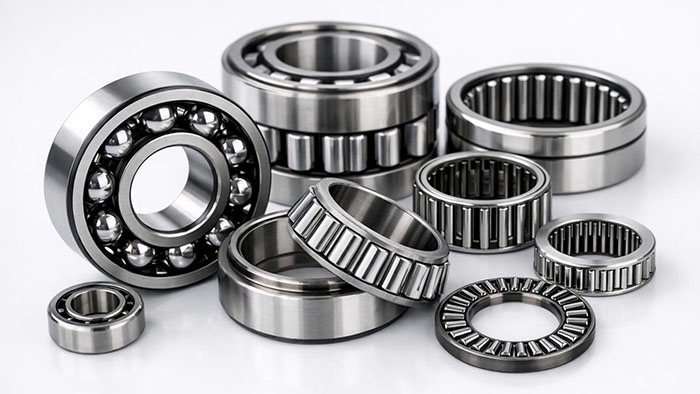
Selecting the correct bearing is one of the most important decisions engineers make during equipment design, maintenance planning, and component replacement. Industrial bearings influence machine efficiency, noise levels, heat generation, and long‑term durability. Choosing the wrong model can increase operational cost and reduce system reliability.
Engineers around the world rely on professional suppliers for technical support and access to verified components. When sourcing high‑quality bearings, teams can explore products directly through AlmaBearings—a leading UK‑based industrial bearing supplier offering a wide catalogue for global applications. The following guide provides a complete framework engineers can use when buying bearings for industrial machinery.
Understanding What Engineers Need Before Buying Bearings
Before choosing a bearing, engineers must define the exact requirements of the application. Every machine has unique load levels, shaft speed, environmental exposure, and installation constraints. Making a list of operational conditions helps narrow down the correct bearing type.
Key questions include:
- What type of load does the machine generate? (radial, axial, or combined)
- How fast does the shaft rotate during normal operation?
- What are the environmental conditions—heat, dust, moisture, chemicals?
- What is the expected service life and maintenance interval?
- Is there limited space around the shaft or housing?
By answering these questions, engineers can reduce the risk of selecting a bearing that underperforms.
Identifying Load Requirements
Load requirements represent the most fundamental factor when selecting bearings. Machines may generate primarily radial forces, primarily axial forces, or a combination of both. Understanding the load distribution helps determine which designs are appropriate.
Radial‑Dominant Loads
Machines that generate forces perpendicular to the shaft often require heavy‑duty solutions. Industrial compressors, gearboxes, and construction equipment sometimes rely on roller‑based designs for improved strength.
A common example is Cylindrical Roller Bearings, which can handle high radial loads while maintaining stability under continuous operation.
Combined Radial and Axial Loads
If the machine produces both load types, the bearing must be capable of supporting two directional forces simultaneously.
For this reason, designs such as Angular Contact Ball Bearings are frequently used in high‑speed rotating assemblies that experience thrust forces.
The correct load rating directly influences bearing lifespan and performance.
Evaluating Operating Speeds
Bearing performance changes significantly at higher rotational speeds. Excessive speed can increase friction and heat, which leads to lubrication breakdown and early failure. Engineers must check speed ratings before making a purchase.
High‑Speed Applications
In electric motors, blowers, pumps, and automation systems, smooth rolling motion is essential. Ball‑based designs are commonly preferred in these settings.
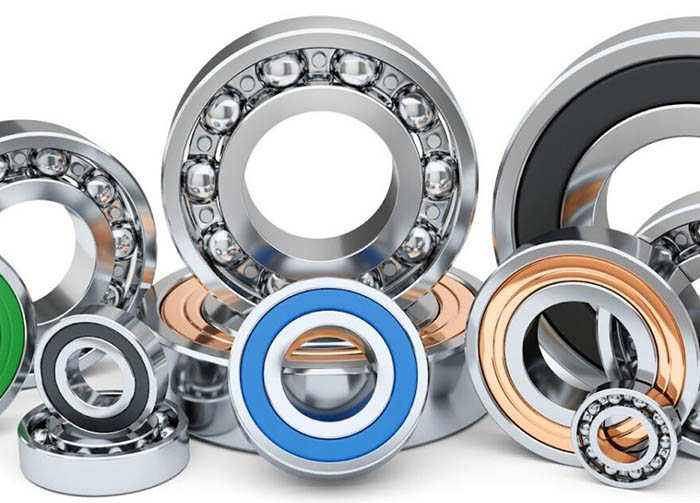
For instance, Deep Groove Ball Bearings offer excellent high‑speed capability while staying compact and easy to install.
Moderate or Low‑Speed Heavy‑Load Applications
When speed is less critical but load capacity is more important—such as in conveyors or heavy industrial machinery—roller‑based solutions may be more suitable.
Selecting a bearing with the right speed rating prevents overheating and extends service intervals.
Considering Environmental and Operational Conditions
Industrial environments can significantly influence bearing durability. Engineers must evaluate the external conditions that the bearing will face during operation.
Contaminated Environments
Factories with dust, metal particles, or moisture may require sealed or shielded bearings. Dirt entering the raceways can cause abrasion, noise, and premature failure.
Corrosive or Outdoor Environments
Exposure to humidity or chemicals accelerates corrosion. Machinery used in agriculture, marine systems, or chemical plants must have bearings capable of resisting harsh environments.
Mounted options such as Pillow Block Bearings are often chosen because they come with housings that protect internal components and simplify maintenance.
Evaluating the environment ensures long‑term reliability and reduces downtime.
Space Limitations and Design Constraints
Not all machines provide ample space for bearing installation. Some assemblies are compact and require slim, high‑capacity solutions.
Tight Radial Space
When radial space is extremely limited, slim‑profile bearings provide an advantage. One of the most common options is Needle Roller Bearings, which offer a small cross‑section while providing excellent load capacity.
Need for Pre‑Assembled Solutions
In many industries, simplified installation is crucial. Pre‑built housings reduce alignment problems and speed up maintenance.
Systems like Bearing Units come assembled and ready for installation, making them ideal for plant technicians who need fast, reliable solutions.
Understanding space limitations helps engineers choose bearings that fit without compromising performance.
Precision Requirements and Vibration Control
Modern machinery increasingly requires high levels of accuracy and vibration control. Any imbalance or misalignment can affect product quality and overall machine health.
Industries that depend on precision include:
- CNC machining centers
- robotics and motion‑control systems
- aerospace manufacturing
- semiconductor production
Bearings with tight tolerance classes minimize vibration and improve operational accuracy. High‑precision bearings also generate less noise, which is essential in automation and laboratory environments.
When precision is a priority, engineers must ensure the bearings meet strict quality standards and are manufactured with accurate raceways and rolling elements.
Lubrication Strategy and Maintenance Planning
Proper lubrication is one of the primary factors determining bearing life. The choice between grease and oil lubrication depends on the application and operating conditions.
Grease Lubrication
Grease is ideal for applications that require ease of maintenance and long-lasting protection. Sealed bearings often come pre‑lubricated and require minimal servicing.
Oil Lubrication
Oil is preferred in high‑speed, high‑temperature environments. Circulating oil systems also help remove heat from the bearing.
Incorrect lubrication—whether too little, too much, or the wrong type—can cause significant problems, including overheating and surface damage.
In heavy‑duty applications, engineers may also consider robust designs such as Spherical Roller Bearings, known for tolerating misalignment and carrying heavy loads.
Choosing a Trusted Bearing Supplier
Even the most advanced engineering decisions can fail if the bearing source is unreliable. Inferior bearings may suffer from poor heat treatment, inconsistent tolerances, or low‑quality steel.
Working with a specialized supplier ensures access to:
- verified industrial‑grade bearings
- accurate technical documentation
- consistent quality control
- professional guidance during the selection process
AlmaBearings provides a wide range of industrial bearings, enabling engineers to compare types, examine detailed specifications, review application suitability, and buy with confidence.
Engineers seeking high‑precision, durable, and reliable bearings for industrial machinery can explore thousands of products directly through AlmaBearings. Detailed specifications, competitive pricing, and technical support make it easier to select the correct bearing for any application. Browse the full selection and source bearings for your equipment today.
Steps Engineers Should Follow When Buying Industrial Bearings
To simplify the purchasing process, engineers can follow this structured approach:
Step 1 – Define the Application Requirements
List all operating conditions including load, speed, temperature, external contaminants, and expected lifespan.
Step 2 – Identify Compatible Bearing Types
Compare load and speed requirements with bearing categories and shortlist viable options.
Step 3 – Check Dimensional Constraints
Ensure selected bearings match shaft diameter, housing size, and available space.
Step 4 – Evaluate Material and Protection Features
Confirm whether seals, shields, or stainless‑steel options are necessary.
Step 5 – Determine Lubrication Needs
Select grease or oil based on temperature, speed, and maintenance plans.
Step 6 – Review Brand and Supplier Reliability
Purchase from reputable distributors to ensure quality and proper documentation.
Conclusion
Buying the correct industrial bearing is a strategic engineering decision that affects machine reliability, maintenance intervals, and operational efficiency. By analyzing load distribution, rotational speed, environmental exposure, space limitations, lubrication strategies, and precision needs, engineers can make informed decisions that enhance equipment performance.
AlmaBearings supports global industrial markets with high‑quality bearings designed for high loads, high speeds, and demanding environments. With a wide selection and technical resources, engineers can confidently source the right bearings for every application.
FAQ – Industrial Bearing Buying Guide
1. What is the most important factor when choosing a bearing?
Load requirements (radial, axial, or combined) are usually the first and most critical criteria.
2. How does speed influence bearing selection?
High‑speed applications require low‑friction designs that can handle increased heat and rotation without failure.
3. Do environmental conditions affect bearing lifespan?
Yes. Dust, moisture, chemicals, and high temperatures can shorten lifespan if the wrong bearing type is used.
4. Are sealed bearings better than open bearings?
Sealed bearings are ideal for contaminated environments or low‑maintenance applications, while open bearings suit clean, high‑speed systems.
5. Why is lubrication important?
Proper lubrication prevents metal contact, reduces friction, and significantly increases service life.
6. What are the benefits of using pre‑mounted bearing units?
They simplify alignment, speed up installation, and reduce maintenance errors.
7. Why should engineers use a reputable supplier?
Trusted suppliers deliver consistent quality, prevent counterfeit products, and provide accurate technical support.
Comments (0)