
Shopping Cart
There are no more items in your cart
- News
- 0 likes
- 138 views
- 0 comments
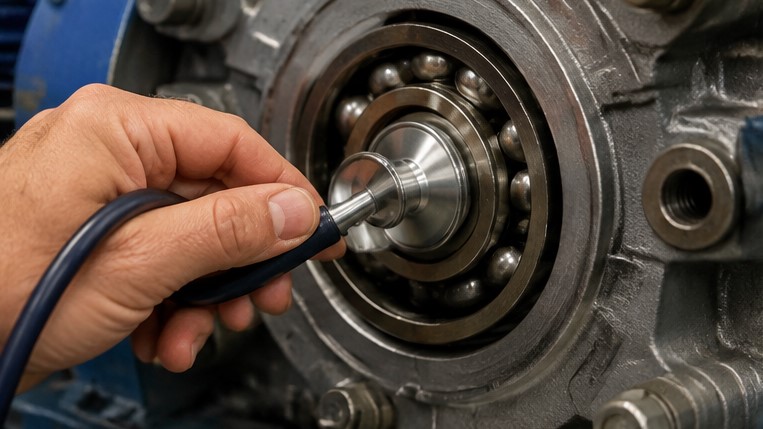
Bear are essential components in industrial machines. They support rotating shafts shafts, reduce friction, and help motors, pumps, conveyors, gearboxes, and production equipment operate smoothly. Although bearings are designed for demanding conditions, they do not usually fail without warning.
In most cases, a damaged bearing produces several early symptoms before it causes a complete machine shutdown. These symptoms may appear as unusual noise, excessive heat, increased vibration, grease leakage, or abnormal shaft movement. If maintenance teams recognize these warning signs early, they can inspect the machine during planned downtime and replace the damaged component before it affects other parts.
Ignoring the early signs of bearing failure can result in shaft damage signs of bearing failure can result in shaft damage, production losses. This guide explains the most common warning signs and shows what each symptom may indicate.
Our Products: Needle Roller Bearings price
Why Early Bearing Detection Matters
A bearing rarely fails in isolation. When its internal surfaces become damaged, the problem gradually affects the shaft, housing, seals, coupling, and driven equipment. A small lubrication issue can develop into severe overheating. A minor alignment problem can create uneven loading and damage the raceways. A loose fit can cause fretting, shaft wear, and vibration throughout the machine.
Early detection gives maintenance teams more control. Instead of reacting to a sudden breakdown, they can investigate the cause, order the can investigate the cause, order the correct replacement bearing, prepare the necessary tools, and complete the inspection also helps distinguish between a bearing problem and other mechanical issues. Not every noise or vibration comes from a bearing. Coupling problems, unbalanced shafts, damaged gears, loose foundations, and belt issues can produce similar symptoms. A proper condition-monitoring process is therefore important for accurate diagnosis.
1. Unusual Noise During Operation
One of the easiest signs of bearing failure to notice is a change in operating sound. A healthy bearing normally produces a smooth and relatively quiet sound. As internal damage develops, the sound may become louder, rougher, or irregular.
A high-pitched squealing sound may indicate insufficient lubrication, excessive friction, or a damaged seal. A clicking or irregular knocking sound may be related to contamination, surface dents, or damaged rolling elements. A deep rumbling sound often suggests raceway wear, pitting, or fatigue damage.
The location and timing of the noise can provide useful clues. If the sound increases with rotational speed, the bearing or another rotating component may be involved. If the noise appears only under load, the problem may be related to excessive loading, poor internal clearance, or misalignment.
Operators should not wait until the bearing produces an extremely loud grinding sound. By that stage, the internal surfaces may already be severely damaged. Any clear change from the normal operating sound should lead to a focused inspection.
2. Excessive Operating Temperature
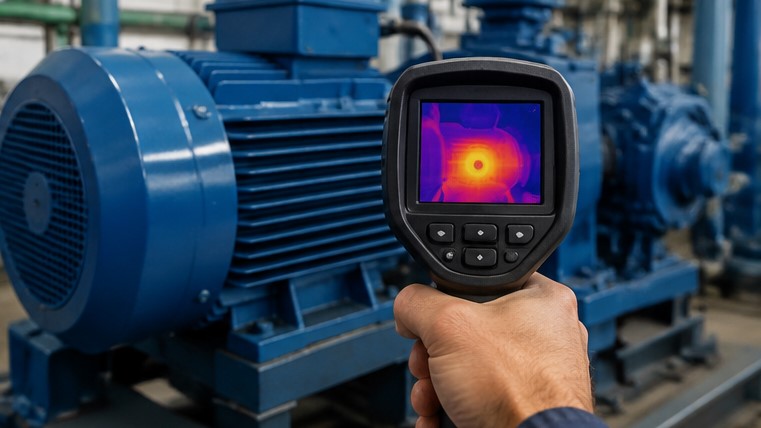
All bearings generate some heat during operation. However, a sudden or continuous increase in bearing temperature is a serious warning sign. Excessive heat may result from insufficient lubrication, over-greasing, excessive load, incorrect internal clearance, poor alignment, or contamination.
Over-greasing is a common cause of temperature increases. When too much grease fills the housing, the rolling elements must move through excess lubricant. This creates churning resistance and raises friction. The grease may then break down, lose its protective properties, and damage the seals.
A tight fit can also cause overheating. If the shaft or housing dimensions are incorrect, the internal clearance may become too small after installation. The rolling elements then operate under excessive pressure, creating friction and heat.
Temperature should be evaluated against the machine’s normal operating condition. A bearing that has always operated at a particular temperature may not be problematic if the temperature remains stable. A sudden increase from the established baseline is more important than a single reading taken without context.
Thermal cameras, infrared sensors, and permanently installed temperature monitoring systems can help identify abnormal heat before visible damage occurs.
3. Increased Machine Vibration
Vibration is one of the most valuable indicators of developing bearing damage. When a bearing raceway becomes rough, pitted, dented, or uneven, the rolling elements no longer move smoothly. This creates mechanical vibration that can be felt on the housing or detected with a vibration-monitoring device.
Increased vibration may indicate rolling conditions, including:
- Raceway fatigue, surface pitting, or flaking.
- Damaged rolling elements or cage components.
- Shaft misalignment or an incorrect bearing fit.
- Loose mounting, unbalance, or mechanical resonance.
However, vibration should not automatically be treated as proof of bearing failure. A rotating machine can vibrate because of an unbalanced impeller, bent shaft, loose foundation bolts, damaged coupling, or gear defects. For this reason, technicians should compare vibration measurements with operating speed, load, temperature, and previous readings.
Trend monitoring is more useful than relying on one isolated measurement. If vibration gradually increases over several inspections, the machine should be investigated before the bearing reaches a critical condition.
4. Grease Leakage, Discoloration, or Contamination
Lubricant condition can reveal important information about bearing health. Grease that leaks excessively from the housing may indicate a damaged seal, excessive internal pressure, over-greasing, or high operating temperature.
Healthy lubricant should remain reasonably consistent with its original color and texture. Dark, burned, hardened, watery, or metallic grease is a warning sign. Black grease may indicate overheating, electrical damage, contamination, or severe wear. A metallic appearance may suggest that internal bearing surfaces are wearing away.
Water contamination can make grease appear milky or separated. In wet environments, this may be caused by washdown operations, condensation, damaged seals, or incorrect housing protection. Water reduces the lubricant’s effectiveness and encourages corrosion on the raceways adding rolling elements.
Technicians should inspect both the grease and the sealing arrangement. Simply adding new grease without finding the reason for contamination may hide the problem temporarily while internal damage continues.
5. Unusual Shaft Movement or Looseness
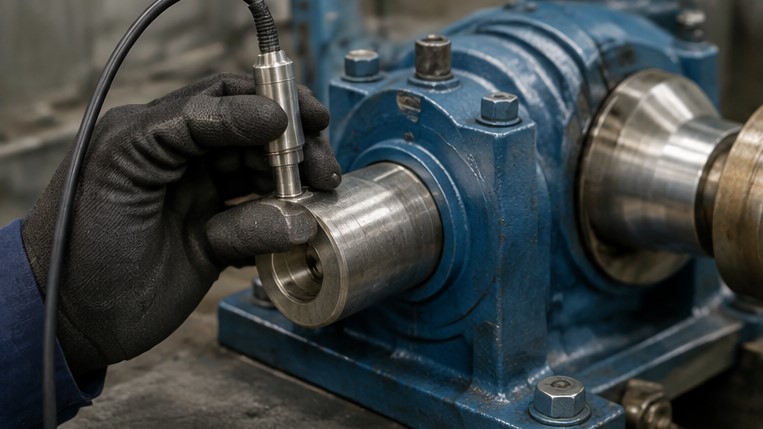
A rotating shaft should remain properly supported by the bearing. If the shaft develops noticeable radial or axial movement, the bearing may have excessive internal wear, a loose fit, damaged rolling elements, or a worn housing seat.
Some applications require a small amount of axial movement because of thermal expansion. However, movement beyond the machine’s normal operating condition can indicate a serious problem. Excessive play may allow the shaft to move off-center, causing vibration, seal damage, coupling wear, and uneven loading.
Loose fits may also produce fretting corrosion. This contact surfaces may develop bearing ring moves slightly against the shaft or housing instead of remaining securely fixed. The contact surfaces may develop reddish-brown debris, scoring, or polished wear marks.
Shaft movement should be checked using suitable measurement equipment. Manual movement checks can reveal obvious looseness, but precision applications require dial indicators or other calibrated tools.
Our Products: Angular contact Ball Bearings price
6. Abnormal Machine Temperature or Burning Smell
A failing bearing may create a noticeable burning smell before complete failure. This usually occurs when lubricant becomes overheated or when metal surfaces experience excessive friction. The smell may come from degraded grease, damaged seals, insulation near an electric motor, or another nearby component.
Maintenance teams should investigate the source rather than assuming the smell is caused by the bearing. Electrical faults, slipping belts, overloaded motors, and brake problems can also create burning odors.
When a burning smell is combined with rising temperature, unusual noise, or vibration, the machine should be stopped or placed under controlled inspection as soon as production conditions allow. Continuing to operate a severely overheated bearing can damage the shaft and housing, increasing repair costs.
7. Electrical Fluting in Motor Bearings
Modern motors controlled by variable frequency drives can experience electrical current passing through the bearing. Repeated electrical discharge creates small pits on the raceway surface. Over time, these marks may form a regular washboard-like pattern known as fluting.
Electrical damage may be accompanied by high-frequency noise, unusual vibration, dark grease, and recurring premature bearing failures. Standard bearing replacement may not solve the problem if the electrical path remains active.
Depending on the motor design, solutions may include shaft grounding, insulated bearings, ceramic rolling elements, improved grounding connections, or changes to the drive and motor installation. A qualified technician should investigate the electrical system before selecting a replacement bearing.
8. Visible Damage During Inspection
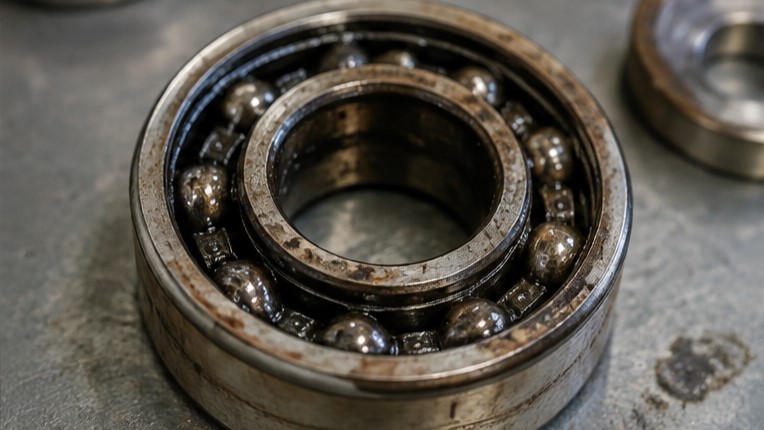
When a bearing is removed, several visible conditions may confirm developing or advanced failure. The raceways may show dents, scoring, rust, pitting, flaking, or blue discoloration from overheating. Rolling elements may display flat spots, cracks, or uneven wear.
The cage may be bent, fractured, or discolored. Seal damage may allow grease to escape or contaminants to enter. Wear marks concentrated on one side of the raceway can indicate misalignment or excessive edge loading.
Visual inspection is most effective when the damaged bearing is compared with operating conditions and maintenance history. The appearance of the bearing can help identify the root cause, but replacing the component without correcting that cause may lead to another premature failure.
Our Products: Split Roller Bearings price
A Practical Response to Bearing Warning Signs
When one or more warning signs appear, maintenance teams should avoid immediately adding grease or replacing the bearing without investigation. First, record the machine condition, including temperature, vibration, noise, speed, load, and recent maintenance work. This information helps establish whether the problem is sudden or progressive.
Next, inspect the lubrication system, seals, shaft alignment, mounting fits, coupling, foundation, and surrounding components. If the bearing must continue operating temporarily, its condition should be monitored more frequently and the machine should be operated within safe limits.
The following actions can help reduce the risk of an unexpected breakdown:
- Compare current readings with historical baseline data.
- Check lubricant quantity, condition, compatibility, and contamination.
- Inspect shaft and housing fits during planned maintenance.
- Verify alignment and coupling condition.
- Prepare the correct replacement bearing and installation tools.
- Investigate the root cause after removing the failed component.
Replacing a bearing without correcting misalignment, contamination, overloading, or electrical damage often produces the same failure again.
How to Prevent Bearing Failure
The best way to prevent bearing failure is to combine correct installation, accurate lubrication, environmental protection, and condition monitoring. Bearings should be stored in clean, dry conditions and kept in their original packaging until installation.
During mounting, technicians should apply force only to the ring being fitted. Induction heaters, hydraulic nuts, mounting sleeves, and suitable presses are safer than hammers or improvised tools. Shafts and housing bores must be clean, correctly dimensioned, and free from burrs.
Lubrication should follow a documented schedule based on speed, load, temperature, operating hours speed, load, temperature, operating hours, and environmental conditions. The correct lubricant must be used mixed without technical confirmation.
Finally, machines should be monitored consistently. Vibration, temperature, ultrasound, lubricant condition, and visual inspection each provide different information. Used together, these methods can identify most developing bearing problems before they cause an emergency shutdown.
Conclusion
The early signs of bearing failure should never be ignored. Unusual noise, rising temperature, increased vibration, contaminated grease, shaft looseness, burning smells, and electrical fluting can all indicate that a bearing is no longer operating correctly.
Early action allows maintenance teams to identify the root cause, plan the repair, and avoid secondary equipment damage. With proper lubrication, clean installation, accurate alignment, effective sealing, and regular condition monitoring, industrial facilities can significantly improve bearing reliability and reduce unplanned downtime.
Need help selecting reliable industrial bearings or diagnosing repeated bearing failures? Contact the technical specialists at Alma Bearings for component selection, maintenance guidance, and professional failure analysis support.
Our Products: Deep Groove Ball Bearings price
Frequently Asked Questions
1. What are the most common signs of bearing failure?
The most common signs include unusual noise, excessive temperature, increased vibration, lubricant leakage, discolored grease, shaft looseness, and visible wear during inspection.
2. Can a noisy bearing still operate safely?
A noisy bearing may continue operating for a limited period, but the noise usually indicates a developing problem. The machine should be inspected promptly because continued operation can increase damage to the shaft, housing, and seals.
3. Does high temperature always mean the bearing is failing?
Not always. High temperature can also result from over-greasing, excessive load, poor alignment, or nearby heat sources. However, a sudden temperature increase should always be investigated.
4. How can vibration monitoring identify bearing damage?
Vibration monitoring detects changes caused by rough raceways, damaged rolling elements, cage problems, misalignment, or looseness. Comparing current readings with historical baseline data helps identify gradual deterioration.
5. Should I replace a bearing as soon as I notice one warning sign?
Not necessarily. One symptom may have several possible causes. The correct approach is to inspect the bearing, lubrication, alignment, mounting, load, and surrounding machine components before deciding on replacement.
Comments (0)