
Shopping Cart
There are no more items in your cart
- News
- 0 likes
- 312 views
- 0 comments
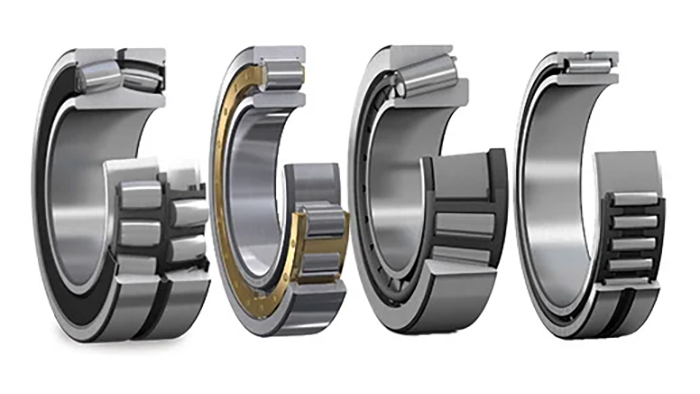
Selecting the right bearing for heavy load applications is one of the most important engineering decisions in industrial machinery design. When equipment operates under intense pressure, high impact forces, or continuous stress, the wrong bearing choice can cause catastrophic failure, costly downtime, or frequent maintenance cycles. Understanding how to evaluate load requirements, bearing geometry, material strength, and application conditions is essential for ensuring reliability.
Engineers and procurement teams looking for dependable industrial bearings can source verified products through AlmaBearings, a trusted global supplier offering a wide selection of components for heavy‑duty environments.
This comprehensive guide explains how to choose the best bearing for heavy load applications, what technical factors matter, and which bearing types are engineered to withstand extreme conditions.
Understanding Load Types in Heavy‑Duty Applications
Before selecting a bearing, it’s essential to understand the nature of loads involved. In industrial environments, loads rarely act in a single direction. Instead, equipment experiences a combination of forces that influence bearing performance.
Radial Loads
These are forces applied perpendicular to the shaft. Many heavy‑duty machines—such as conveyors, crushers, and industrial motors—generate strong radial pressure. Bearings like Cylindrical Roller Bearings are specifically engineered to support such loads.
Axial (Thrust) Loads
These forces act parallel to the shaft. Hydraulic pumps, gearboxes, and screw drives often exert heavy axial loads. Bearings designed for axial strength include larger contact angles, such as Angular Contact Ball Bearings.
Combined Loads
Most real‑world machines produce both radial and axial forces at the same time. For such applications, bearings that distribute loads efficiently are essential—Spherical Roller Bearings are a popular choice because they support extremely high combined loads while accommodating misalignment.
Understanding the dominant load type helps narrow down the suitable bearing category for your application.
Why Load Capacity Is Critical for Heavy‑Duty Bearings
A bearing’s durability directly depends on its ability to withstand system forces without deformation or fatigue. In heavy‑load systems, inadequate load capacity can lead to:
- surface fatigue
- increased friction
- overheating
- shaft misalignment
- early failure
Manufacturers provide two critical ratings:
- Dynamic Load Rating ©
- Static Load Rating (C0)
When choosing a bearing, the selected model must exceed the required load capacity with a safety margin—typically 1.2x to 1.5x for heavy‑duty industrial applications.
Best Bearing Types for Heavy Load Applications
Industries that deal with mining, steel production, construction equipment, and heavy machinery rely on specialized bearing designs. Below are the most suitable bearing categories engineered for long‑term performance under extreme stress.
Spherical Roller Bearings (Top Choice for Heavy Loads)
These bearings are designed explicitly for high radial loads and moderate axial loads. They also tolerate shaft misalignment, which is common in large equipment.
Key advantages:
- extremely high load capacity
- excellent durability under shock loads
- ideal for harsh environments
Typical use cases:
- mining machinery
- high‑power industrial gearboxes
- steel mills
This is one of the most reliable solutions for continuous heavy‑load operations.
Cylindrical Roller Bearings
These bearings provide exceptional radial load capacity due to line contact between rolling elements and raceways.
Key advantages:
- high stiffness
- minimal friction
- suitable for high‑speed heavy‑load applications
Commonly used in:
- electric motors
- compressors
- industrial pumps
If radial loads are dominant and axial loads are minimal, cylindrical rollers are an excellent choice.
Tapered Roller Bearings
These bearings support both radial and axial loads. Because the load is distributed along angled rollers, they are widely used in heavy mechanical systems.
Typical applications:
- construction vehicles
- agricultural machinery
- heavy gearboxes
Needle Roller Bearings
These bearings handle heavy loads within compact spaces, thanks to their long, thin rollers.
Suitable for:
- automotive transmissions
- industrial clutches
Pillow Block Bearings for Mounted Heavy Applications
Mounted units such as Pillow Block Bearings are used when machines require stable housing, easy installation, and strong load support. They are ideal for conveyors, industrial fans, and bulk‑handling equipment.
If you need reliable bearings for heavy‑duty machinery, AlmaBearings provides a wide range of components including Spherical Roller Bearings, Cylindrical Roller Bearings, and Deep Groove Ball Bearings suitable for global industrial applications. Engineers and procurement teams can browse verified models and compare technical specifications to find the right bearing for their heavy load systems.
Key Factors to Consider When Selecting Heavy Load Bearings
Choosing the right bearing requires a deeper evaluation beyond load ratings. Several performance variables significantly impact bearing longevity and efficiency.
Material and Heat Treatment
Bearings for heavy loads must be made from high‑grade steels with optimized heat‑treatment processes. This improves hardness, fatigue resistance, and dimensional stability.
Lubrication Method
Heavy‑duty systems require consistent lubrication to prevent overheating and wear. Options include:
- grease lubrication for general heavy machinery
- oil lubrication for high‑speed heavy applications
- automated lubrication systems for continuous operation
Without proper lubrication, even the strongest bearing will fail prematurely.
Misalignment Tolerance
Large machines often experience shaft deflection or structural movement. Bearings such as Spherical Roller Bearings are engineered to maintain performance under misalignment.
Operating Environment
Exposure to dust, vibration, moisture, or chemicals influences bearing selection. For example, sealed or shielded designs protect against contamination.
Rotational Speed
Not all heavy‑load bearings are suitable for high‑speed operation. Engineers must balance load requirements with speed capability.
Avoid These Common Mistakes When Choosing Heavy Load Bearings
Even experienced engineers sometimes overlook important considerations when selecting bearings for heavy-duty machinery.
Common mistakes include:
- choosing a bearing based solely on size, not load rating
- ignoring misalignment factors
- selecting a bearing with insufficient lubrication options
- underestimating shock load conditions
- using standard bearings instead of reinforced heavy‑duty versions
Avoiding these errors improves reliability and reduces long‑term maintenance costs.
Matching Bearing Type to the Application
The best bearing for your machine depends on its operating conditions.
For continuous heavy radial loads
Choose: Cylindrical Roller Bearings
For heavy combined loads + misalignment
Choose: Spherical Roller Bearings
For heavy axial loads
Choose: Tapered Roller Bearings or Angular Contact Ball Bearings
For mounted heavy machinery
Choose: Pillow Block Bearings
Selecting the right bearing ensures stable operation and extends equipment lifespan.
Conclusion
Choosing bearings for heavy load applications requires a thorough understanding of load types, material strength, operating conditions, lubrication, and environmental factors. The right bearing can significantly improve machine performance, reduce downtime, and extend service life.
Engineers and industrial buyers can simplify this selection process by working with reliable suppliers. AlmaBearings offers a wide range of heavy‑duty bearings—including Spherical Roller Bearings, Cylindrical Roller Bearings, and Deep Groove Ball Bearings—sourced from trusted manufacturers worldwide. By choosing verified components, buyers can ensure durability and consistent performance, even in the most demanding industrial environments.
FAQ – Heavy Load Bearings
1. What type of bearing is best for heavy load applications?
Spherical Roller Bearings are often the top choice due to their high load capacity and misalignment tolerance.
2. How do I calculate the load rating needed for my bearing?
Use the machine’s radial and axial forces and ensure the chosen bearing has at least a 1.2x–1.5x safety factor.
3. Are ball bearings good for heavy loads?
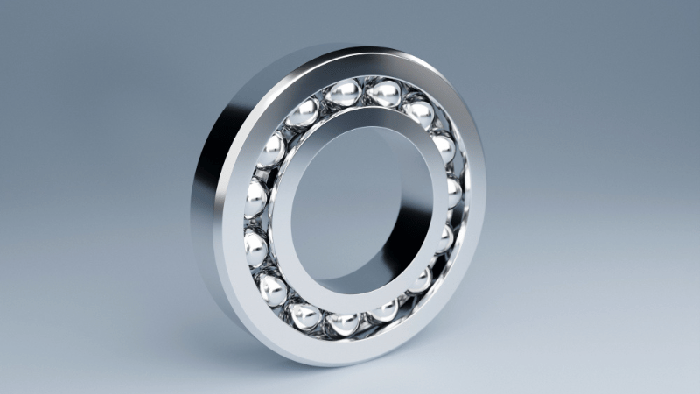
Standard ball bearings handle moderate loads, but Deep Groove Ball Bearings can support both speed and load when properly rated.
4. Which bearing type handles misalignment best?
Spherical Roller Bearings offer the highest misalignment tolerance.
5. Can lubrication affect bearing load capacity?
Yes. Proper lubrication reduces friction, heat, and wear, significantly improving bearing performance under heavy loads.
6. Where can I buy bearings for high‑load applications?
Industrial buyers can browse heavy‑duty bearing options through AlmaBearings, which offers verified models for global industrial use.
Comments (0)