
Shopping Cart
There are no more items in your cart
- News
- 0 likes
- 201 views
- 0 comments
- electric motor bearings, bearings for electric motors, EMQ motor bearings
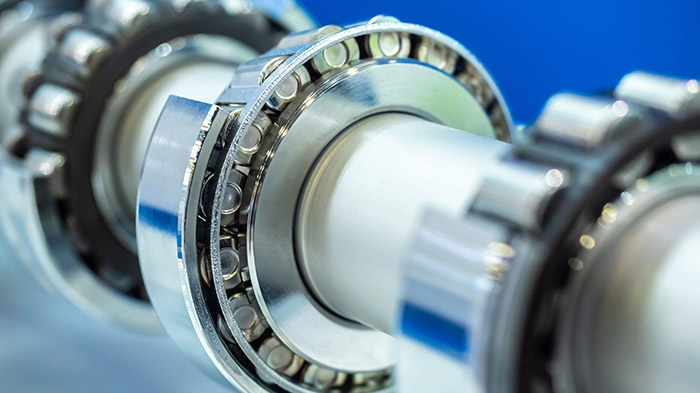
Selecting the correct bearings for electric motors is essential for stable operation, low vibration, minimal noise, and long service life. Whether you’re designing industrial motors, HVAC systems, servo drives, pumps, or high‑precision automation equipment, the right bearing determines performance quality and energy efficiency.
Electric motors operate under unique conditions: high rotational speeds, controlled radial loads, limited axial forces, and strict noise and vibration requirements. This means bearing choice must balance precision, lubrication, load capacity, and long‑term durability.
Engineers and procurement teams can source verified electric motor bearings from AlmaBearings, a trusted global supplier offering premium components for industrial motors and automation systems.
Understanding What Makes Electric Motor Bearings Unique
Electric motors differ from general machinery because they require:
- low noise and low vibration
- high rotational accuracy
- reliable performance under moderate loads
- long maintenance intervals
- stable performance at start‑stop cycles
These conditions make certain bearing structures—like Deep Groove Ball Bearings, Angular Contact Ball Bearings, and Cylindrical Roller Bearings—ideal for motor design.
Main Performance Requirements in Electric Motor Bearings
Choosing a bearing for an electric motor requires understanding the four major functional expectations:
1. Smooth, Low‑Noise Rotation
Electric motors—especially HVAC blowers, generators, and home appliances—must maintain quiet operation. Bearings must have:
- optimized internal geometry
- balanced cages
- high‑precision raceways
Noise‑rated bearings (EMQ, EMQ2, EMQ3) ensure ultra-smooth running.
2. High Speed Capability
Electric motors often run continuously at high RPMs. For this reason, Deep Groove Ball Bearings and Angular Contact Ball Bearings are widely used because they support higher speeds than rollers.
3. Low Friction
Lower friction equals:
- higher efficiency
- cooler operation
- reduced lubricant degradation
- longer bearing life
Electric motor bearings use specialized internal clearances and low‑drag seals for this reason.
4. Reliability Over Long Duty Cycles
Electric motors frequently operate for thousands of hours. Bearings must tolerate extended use without seizure or noise increase.
To achieve this:
- lubrication must be stable
- cage materials must resist temperature rise
- raceway precision must be high
These elements prevent failures in continuous-duty motors.
The Best Types of Bearings for Electric Motors
Electric motor requirements limit the selection to specific bearing types optimized for speed, noise, and efficiency.
Deep Groove Ball Bearings (Most Common)
These are the default choice in most electric motors because they support high speed and low noise.
They also tolerate moderate axial loads.
Applications:
- industrial motors
- pumps
- HVAC fans
- home appliances
Using premium Deep Groove Ball Bearings significantly improves spin accuracy and reduces power loss.
Angular Contact Ball Bearings
When motors are exposed to higher axial loads—like in pumps, CNC spindles, or servo systems—Angular Contact Ball Bearings are preferred. Their larger contact angle supports higher thrust loads at high speed.
Cylindrical Roller Bearings
These bearings provide high radial load capacity and excellent stiffness but are typically used in larger motors or high‑power industrial drives.
They are ideal when:
- high rigidity is needed
- axial loads are minimal
- shaft deflection must be controlled
Ball Bearings With Special Seals
Electric motor designs often require sealed or shielded bearing versions to protect against contaminants while maintaining low friction.
Examples include:
- ZZ (metal shields)
- 2RS (rubber seals)
These ensure clean, long‑term operation in commercial and industrial motors.
Key Technical Factors to Consider When Choosing Electric Motor Bearings
1. Internal Clearance (C0, C3, C4)
Electric motors usually require C3 clearance to compensate for heat expansion during operation.
Using the wrong clearance can increase noise, friction, or premature failure.
2. Cage Material
Cage design helps stability at high speed. Common options:
- steel cages – durable and stable
- polyamide cages – lightweight, low noise
- brass cages – high strength for industrial motors
Polyamide cages are ideal for many electric motors due to their low noise characteristics.
3. Lubrication
Lubrication quality determines lifespan and noise level.
Electric motor‑grade greases are formulated for:
- heat stability
- low friction
- long service intervals
Oil lubrication is used in high‑performance motors that require cooling and extreme speed.
4. Shielding and Sealing
Choosing between open, sealed, and shielded bearings depends on contamination risks.
- sealed bearings → protect against dust and moisture
- shielded bearings → protect against medium contamination
- open bearings → used only with controlled lubrication systems
Contamination is one of the leading causes of bearing failure in electric motors.
If you’re designing or maintaining electric motors, AlmaBearings offers a wide range of premium components, including Deep Groove Ball Bearings, Angular Contact Ball Bearings, Cylindrical Roller Bearings, and EMQ‑grade motor bearings.
Engineers and procurement teams can find globally certified options for industrial and commercial systems.
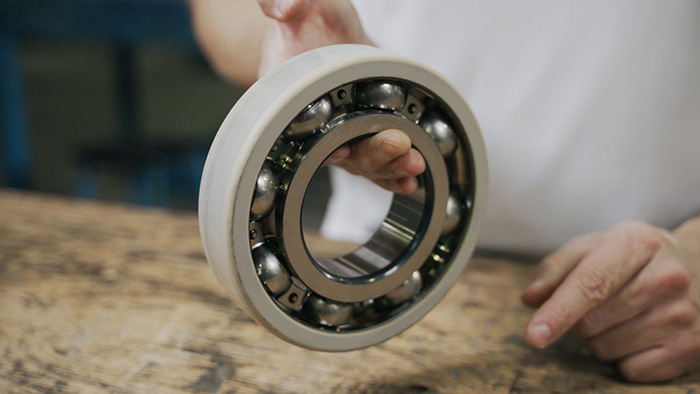
How Load Affects Bearing Selection
Electric motors typically experience:
- mainly radial load
- limited axial load
- balanced, predictable forces
Because loads are moderate, ball bearings (rather than rollers) are ideal.
However, certain applications may require enhanced designs:
High axial load → Choose Angular Contact Bearings
Ideal for motor‑pump assemblies or systems with thrust loads.
High radial load → Choose Cylindrical Roller Bearings
These provide rigidity and stability under strong radial pressure.
Standard, balanced loads → Choose Deep Groove Ball Bearings
The most economical, low‑noise, and efficient option.
Avoid These Common Mistakes in Electric Motor Bearing Selection
Even skilled engineers sometimes misjudge bearing requirements. The following mistakes can significantly shorten bearing life:
- using incorrect internal clearance (e.g., C0 instead of C3)
- underestimating the importance of noise rating
- selecting seals that increase drag and heat
- using general-purpose grease instead of motor‑grade grease
- exceeding speed limits
- choosing bearings with low precision class
Avoiding these issues ensures long, stable motor operation.
Matching Bearing Types to Electric Motor Applications
Below are typical motor categories and the bearings best suited for each.
Industrial Electric Motors
Recommended bearings:
- Deep Groove Ball Bearings (C3 clearance)
- Cylindrical Roller Bearings for high‑load ends
Servo Motors & Automation Motors
Recommended:
- Angular Contact Ball Bearings
- high‑precision EMQ bearings
HVAC Motors, Fans, Compressors
Recommended:
- Deep Groove Ball Bearings with low‑noise grease
- sealed ZZ or 2RS variants
High‑Efficiency Motors
Recommended:
- ceramic hybrid ball bearings
- low‑friction sealed bearings
Correct matching ensures low energy consumption and smoother operation.
Maintenance Strategies to Extend Electric Motor Bearing Life
To maximize performance:
- replace grease at scheduled intervals
- analyze vibration and temperature trends
- maintain shaft alignment
- prevent contamination during assembly
- avoid over‑tightening bearing housings
Predictive maintenance tools (vibration sensors, thermography) significantly extend bearing lifespan in electric motors.
Conclusion
Selecting the right bearings for electric motors ensures quiet operation, long service life, energy efficiency, and stable performance. Engineers must evaluate speed, load, lubrication, noise expectations, and sealing requirements to choose the optimal bearing design.
For reliable electric‑motor‑grade components, AlmaBearings supplies Deep Groove Ball Bearings, Angular Contact Ball Bearings, Cylindrical Roller Bearings, and EMQ‑rated bearings designed for global industrial applications.
By choosing premium components from trusted suppliers, manufacturers and maintenance teams achieve smoother operation, higher efficiency, and minimal downtime.
FAQ – Electric Motor Bearings
1. What type of bearing is most commonly used in electric motors?
Deep Groove Ball Bearings are the most widely used due to their low noise and high speed capability.
2. What is the best clearance for electric motor bearings?
C3 clearance is recommended for most electric motors because it compensates for heat expansion.
3. Why are noise‑rated bearings important?
Noise‑rated EMQ bearings reduce vibration and ensure smooth, quiet operation.
4. Should electric motor bearings be sealed or open?
Sealed or shielded bearings are preferred to prevent contamination and extend service life.
5. What causes bearing failure in electric motors?
Common causes include poor lubrication, contamination, shaft misalignment, or incorrect bearing selection.
6. Where can I buy high‑quality electric motor bearings?
AlmaBearings offers a global selection of premium electric motor bearings designed for industrial performance.
Comments (0)