
Shopping Cart
There are no more items in your cart
- News
- 0 likes
- 161 views
- 0 comments
- industrial machinery bearings, bearings for industrial machines, heavy-duty industrial bearings
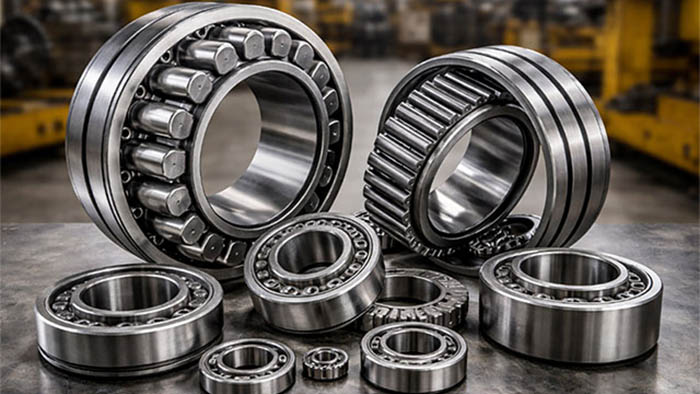
Choosing the right bearings for industrial machinery is a critical engineering decision that affects machine reliability, operating efficiency, maintenance intervals, and long‑term operational costs. In industrial environments where machines often run continuously under demanding loads, the performance of a single bearing can influence the productivity of an entire production line.
Industrial equipment typically operates under conditions such as heavy loads, fluctuating speeds, vibration, dust contamination, and high temperatures. Because of these factors, bearing selection cannot be based only on size compatibility or price. Engineers must evaluate mechanical load characteristics, environmental exposure, lubrication strategy, and alignment conditions to ensure the chosen bearing can support the machine over long service cycles.
For engineers and procurement teams searching for reliable industrial machinery bearings, high‑quality sourcing plays a crucial role. Solutions offered through AlmaBearings provide access to precision‑engineered components designed for demanding industrial applications worldwide.
Why Bearing Selection Matters in Industrial Machinery
Bearings are essential components that support rotating shafts and reduce friction between moving parts. In industrial machines, they help maintain stable motion, distribute loads evenly, and prevent excessive wear on mechanical assemblies.
Selecting an unsuitable bearing can create multiple operational problems. Machines may experience overheating, vibration, premature fatigue, increased energy consumption, or sudden mechanical failure. In production facilities where downtime directly affects output, even a small bearing failure can lead to significant financial loss.
A well‑selected bearing improves operational stability, reduces maintenance frequency, and helps machinery perform efficiently over long operating cycles. This makes bearing selection one of the most important decisions during both machine design and equipment maintenance planning.
Understanding the Working Conditions of Industrial Machinery
Before choosing a bearing, engineers must analyze the working conditions of the machinery. Industrial equipment is rarely exposed to a single type of mechanical stress; instead, it usually experiences a combination of loads, environmental challenges, and operational variables.
Operating Load
Industrial machines frequently operate under substantial radial and axial loads generated by rotating shafts, gears, or moving structural components. In heavy equipment such as conveyors, crushers, mixers, and processing systems, bearings must be able to support constant mechanical pressure without deforming or losing stability.
When load requirements are underestimated, bearings may fatigue quickly or experience surface damage on the raceways. Proper load analysis ensures the bearing can maintain structural integrity while distributing forces evenly across its rolling elements.
Operating Speed
Another important factor is rotational speed. High‑speed machinery such as fans, electric motors, and automation systems requires bearings capable of maintaining smooth motion while minimizing friction and heat generation.
At higher speeds, internal friction and lubrication performance become increasingly important. Bearings designed for fast rotation typically feature optimized internal geometry and materials that reduce resistance and allow stable operation during continuous motion.
Temperature Conditions
Many industrial machines generate significant heat during operation. Equipment used in steel processing, power generation, pumping systems, and compressors may operate in elevated temperature environments for long periods.
Heat can cause lubricant degradation, material expansion, and changes in internal clearance. Bearings selected for these environments must maintain structural stability while allowing for thermal expansion and proper lubrication flow.
Contamination and Environmental Exposure
Industrial environments often expose machinery to dust, moisture, metal particles, chemicals, and other contaminants. When these materials enter the bearing assembly, they can damage rolling surfaces and significantly shorten component life.
To protect bearings from contamination, engineers typically rely on effective sealing systems and appropriate lubrication methods. A well‑protected bearing assembly ensures consistent operation even in challenging factory conditions.
Misalignment and Vibration
Perfect shaft alignment is rarely achievable in large industrial machines. Structural flexing, thermal expansion, and installation tolerances can introduce slight misalignment between rotating components.
Bearings used in industrial equipment must tolerate these imperfections while maintaining smooth rotation. Components that can accommodate shaft deflection or vibration are especially valuable in heavy machinery where structural movement is unavoidable.
Bearings Commonly Used in Industrial Machinery
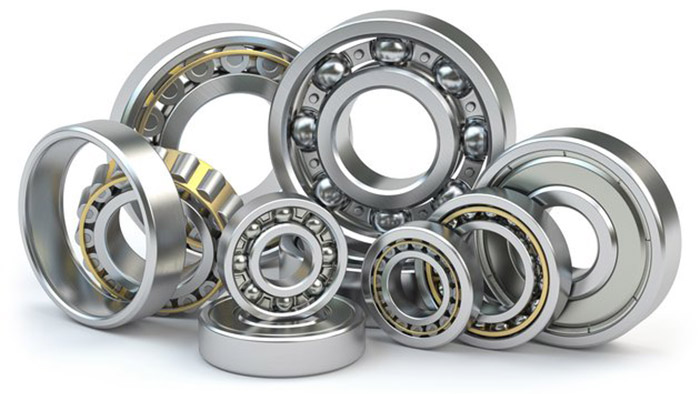
Industrial machinery relies on several well‑established bearing designs that provide the durability and strength required for demanding applications. Among the most widely used are Spherical Roller Bearings, Tapered Roller Bearings, Cylindrical Roller Bearings, Deep Groove Ball Bearings, and Angular Contact Ball Bearings.
Each of these bearing families is engineered to address specific mechanical requirements such as heavy load capacity, high rotational speed, or the ability to handle combined forces. Understanding their functional characteristics helps engineers match the correct bearing type to a particular machine or operating environment.
How Industrial Machinery Influences Bearing Design
Industrial machinery typically operates under heavy loads, variable speeds, and continuous duty cycles. Under these demanding conditions, bearing selection must prioritize durability, structural strength, and resistance to operational stress rather than focusing only on rotational performance.
Bearings designed for industrial use are built to support strong radial forces while maintaining stable rotation even when the machine experiences vibration or structural movement. When a bearing lacks sufficient load capacity or rigidity, it can quickly develop fatigue damage, excessive heat, or surface wear. These issues often lead to unexpected machine stoppages and costly maintenance interventions.
For this reason, industrial engineers prioritize bearings that offer strong internal construction, optimized load distribution, and reliable lubrication performance.
Industrial Environments and Bearing Durability
Manufacturing plants, mining operations, and large production facilities expose machinery to a wide range of mechanical stresses. Bearings in these environments must perform reliably despite constant vibration, dust contamination, and fluctuating operating conditions.
Durability becomes the most important performance factor. Bearings must maintain consistent rotational stability even when machines experience uneven loading or minor structural movement. If a bearing cannot tolerate these stresses, fatigue damage and surface wear will appear quickly.
Selecting bearings specifically engineered for demanding industrial environments significantly improves equipment reliability and reduces maintenance frequency across production systems.
Precision Machinery and Rotational Stability
Industrial pumps, compressors, and precision manufacturing equipment present another set of engineering challenges. These systems often operate with tightly controlled tolerances and require extremely smooth rotation to maintain efficiency and product quality.
In these applications, bearings must manage multiple force directions while maintaining precise alignment within the mechanical system. Minimizing internal friction is also critical because even small increases in resistance can generate heat, noise, and efficiency losses.
When the bearing is properly matched to the machine’s operating characteristics, rotational stability improves and connected components experience far less mechanical stress.
Harsh Environments and Structural Reliability
Machinery used in construction, agriculture, and high‑temperature industrial processes faces some of the most extreme operating conditions. Bearings in these systems must tolerate contamination, moisture, and thermal expansion while continuing to operate under heavy mechanical loads.
Material quality and heat treatment become essential factors in these environments. Bearings manufactured with high‑strength materials and proper surface hardening can resist fatigue and maintain structural integrity over long periods of operation.
In addition, lubrication stability plays a critical role. When lubrication breaks down due to heat or contamination, friction increases and bearing surfaces begin to deteriorate rapidly. Ensuring proper lubrication management is therefore essential for machinery operating in harsh environments.
In addition to proper engineering selection, the reliability of the supplier also affects machinery performance. Industrial operators require components manufactured to consistent global standards and capable of performing in demanding production environments.
AlmaBearings provides a wide range of industrial bearing solutions designed to support manufacturing, processing equipment, and heavy‑duty machinery. Access to dependable components helps maintenance teams reduce downtime and maintain long‑term operational stability.
Technical Parameters to Consider When Choosing Bearings
Selecting the correct bearing requires careful analysis of several technical parameters.
Load Ratings
Bearings are rated based on their ability to support dynamic and static loads. Dynamic load rating represents the load a bearing can handle during rotation, while static load rating indicates the maximum load it can support when stationary. Choosing a bearing with an insufficient load rating often results in early fatigue and structural failure.
Internal Clearance
Internal clearance refers to the small amount of free movement between rolling elements and raceways inside the bearing. Industrial machinery often requires slightly increased internal clearance to compensate for thermal expansion and heavy loads. When the clearance is too tight, heat and friction increase significantly.
Material Quality
High‑grade bearing steel is essential for industrial durability. Advanced heat treatment processes improve hardness and fatigue resistance, allowing bearings to maintain structural stability even under constant mechanical stress.
In corrosive or highly contaminated environments, additional protective coatings or specialized materials may be necessary to extend bearing lifespan.
Lubrication Strategy
Lubrication plays one of the most important roles in bearing performance. Proper lubrication reduces friction, removes heat, and prevents surface damage between rolling elements and raceways.
Industrial machinery may use grease lubrication for sealed systems or oil lubrication for high‑speed and high‑temperature applications. The correct lubrication method depends on operating conditions and maintenance strategy.
Sealing Protection
Protecting bearings from contamination is critical in industrial settings. Sealing systems prevent dust, water, and debris from entering the bearing assembly and damaging internal surfaces.
Effective sealing significantly extends bearing service life and helps maintain consistent performance in challenging environments.
Common Mistakes When Selecting Industrial Machinery Bearings
Even experienced engineers can encounter problems when bearing selection does not fully account for operating conditions. Some common mistakes include underestimating load requirements, ignoring contamination risks, selecting incorrect internal clearance, or using inadequate lubrication methods.
Another frequent issue is focusing solely on speed capability while overlooking structural durability. In heavy industrial environments, strength and stability are often more important than maximum rotational speed.
Avoiding these mistakes helps ensure that machinery operates reliably and reduces unexpected maintenance costs.
Maintenance Tips to Extend Bearing Life
Proper maintenance greatly improves bearing longevity. Regular inspections allow maintenance teams to identify early signs of wear, contamination, or lubrication problems before they lead to failure.
Cleaning housings during installation, maintaining proper alignment, and using vibration monitoring tools can help detect potential issues early. Consistent lubrication schedules and seal inspections also play a crucial role in protecting bearing assemblies.
When these practices are followed, bearings can operate efficiently for long service intervals even in demanding industrial environments.
Conclusion
Choosing the right bearings for industrial machinery requires a careful balance of engineering analysis, environmental awareness, and long‑term operational planning. Load capacity, lubrication, temperature conditions, contamination exposure, and alignment tolerance all influence the final selection.
When the correct bearing solution is applied, machines operate more efficiently, downtime decreases, and maintenance costs remain manageable.
For industries seeking dependable industrial machinery bearings, AlmaBearings supplies precision components engineered to meet the performance requirements of modern manufacturing and heavy‑duty industrial equipment.
FAQ – Industrial Machinery Bearings
1. What factors are most important when selecting industrial machinery bearings?
Load capacity, operating speed, environmental conditions, lubrication method, and alignment tolerance are the most critical factors.
2. Why do bearings fail in industrial machines?
Common causes include poor lubrication, contamination, excessive load, misalignment, and incorrect installation.
3. How can bearing life be extended in industrial equipment?
Regular maintenance, proper lubrication, contamination control, and accurate load analysis significantly increase service life.
4. Are roller bearings better than ball bearings for heavy machinery?
Roller bearings generally support heavier loads, while ball bearings are better suited for higher‑speed applications.
5. Where can companies source reliable industrial bearings?
Suppliers such as AlmaBearings provide globally sourced bearings designed for industrial machinery and heavy‑duty applications.
Comments (0)