
Shopping Cart
There are no more items in your cart
- News
- 0 likes
- 185 views
- 0 comments
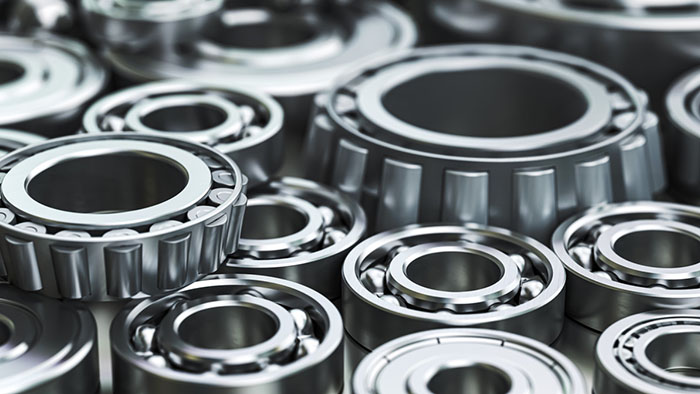
Selecting the correct bearing is one of the most important engineering decisions in industrial machinery design and maintenance. Bearings support rotating components, reduce friction, and allow machines to operate smoothly under different loads and speeds. When the wrong bearing is used, machines can experience overheating, excessive vibration, and premature component failure.
Understanding how to choose the right bearing requires more than simply knowing the bearing size. Engineers must evaluate load direction, operating speed, environmental conditions, lubrication methods, and installation constraints before making a final decision.
Companies that regularly purchase industrial bearings often rely on specialized suppliers for technical guidance and product availability. AlmaBearings is a London‑based bearing supplier serving global industrial markets. Engineers and purchasing teams can explore bearing types, compare technical features, review industrial applications, and buy online through a wide product range designed for modern machinery.
This guide explains the essential factors engineers should consider when selecting bearings for industrial equipment.
Why Proper Bearing Selection Is Critical
Industrial machinery operates under demanding mechanical conditions. Rotating shafts, gears, and moving components create forces that must be properly supported. Bearings absorb these forces while minimizing friction between surfaces.
If a bearing is incorrectly selected, several operational problems may appear:
• abnormal vibration and noise
• overheating during operation
• excessive wear on surrounding components
• increased maintenance requirements
• unexpected machine shutdowns
For factories that run equipment continuously, bearing failures can cause serious productivity losses. Careful selection ensures longer service life and improved machine reliability.
Evaluating Load Direction and Force Distribution
The first step in selecting a bearing is understanding how forces act within the machine. Bearings are designed to handle different combinations of loads depending on the internal rolling elements and raceway geometry.
Radial forces act perpendicular to the shaft, while axial forces act parallel to the shaft. Many industrial machines generate a combination of both.
Applications dominated by radial loads often benefit from solutions such as Cylindrical Roller Bearings, which provide high load capacity along the radial direction. On the other hand, machines that generate both axial and radial forces may require designs similar to Angular Contact Ball Bearings, which are engineered to handle combined load conditions.
Understanding the magnitude and direction of these forces allows engineers to narrow down suitable bearing options.
Considering Machine Speed and Rotational Performance
Rotational speed plays a major role in determining the appropriate bearing design. Bearings operating at high speeds must generate minimal friction while maintaining stable motion.
In high‑speed systems such as electric motors or industrial fans, smooth rolling elements are essential. Bearings that rely on ball elements typically perform well in these environments because they create lower friction compared to many heavy‑duty roller designs.
For example, electric motors and pumps frequently rely on Deep Groove Ball Bearings due to their ability to operate efficiently at high rotational speeds while maintaining durability.
Engineers must also consider heat generation at higher speeds. Excessive friction can reduce lubricant effectiveness and shorten bearing life.
Understanding Environmental Conditions
Industrial equipment rarely operates in perfectly controlled environments. Dust, moisture, chemicals, and extreme temperatures can all influence bearing performance.
In manufacturing plants, airborne contamination can enter open bearings and damage the raceways or rolling elements. Moisture exposure can lead to corrosion, while high temperatures may degrade lubricants.
When machines operate in challenging environments, engineers often choose sealed or protected bearing designs to prevent contamination. For example, conveyor systems and agricultural machinery frequently rely on mounted solutions such as Pillow Block Bearings, which provide protection and simplify installation.
Evaluating the operating environment early in the selection process helps avoid premature bearing failure.
Space Constraints and Equipment Design
Machine design often places physical limitations on the size and configuration of the bearing that can be installed. Engineers must carefully examine available space within the housing and around the shaft.
In compact mechanical systems where radial space is limited, specialized bearing designs are often required. Equipment such as transmissions or compressors may use Needle Roller Bearings, which provide high load capacity while maintaining a slim profile.
For larger industrial systems that require easier mounting and alignment, integrated solutions such as Bearing Units simplify installation and reduce maintenance complexity.
Balancing load capacity with available installation space is an essential step in the bearing selection process.
Importance of Precision and Mechanical Stability
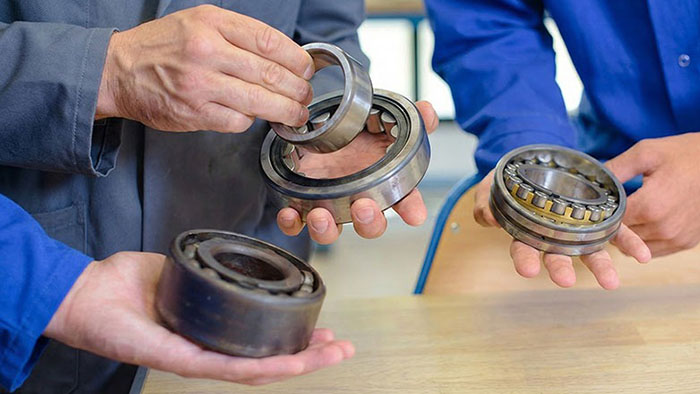
In certain industries, even small amounts of vibration or misalignment can affect machine performance. High‑precision machinery requires bearings manufactured to strict tolerance standards.
Industries where precision plays a major role include:
• CNC machining and metalworking
• robotics and automation systems
• aerospace equipment
• semiconductor manufacturing
In these applications, accurately manufactured bearings improve rotational stability and reduce vibration levels. This leads to better machining accuracy, smoother motion control, and longer equipment life.
Lubrication and Long‑Term Bearing Performance
Lubrication is one of the most important factors affecting bearing durability. Proper lubrication reduces friction between rolling elements and raceways while preventing metal‑to‑metal contact.
There are two common lubrication strategies used in industrial equipment.
Grease lubrication is widely used in sealed systems that require minimal maintenance. Grease remains inside the bearing housing and provides long‑lasting protection.
Oil lubrication is typically used in high‑speed machinery or systems where heat dissipation is important. Oil circulation can remove heat while continuously lubricating internal components.
Poor lubrication is responsible for a large percentage of bearing failures worldwide. Selecting the correct lubricant and maintenance schedule greatly improves reliability.
Matching Bearing Solutions to Industrial Applications
Different industries use bearings in different ways depending on load patterns and operating conditions.
Electric motors and small rotating equipment commonly rely on Deep Groove Ball Bearings because they combine speed capability with simple installation.
Heavy machinery used in construction or mining often requires bearings that can support significant loads and tolerate misalignment. In these environments, solutions such as Spherical Roller Bearings are frequently used.
Compact mechanical assemblies with limited space may benefit from Needle Roller Bearings, while systems dominated by axial forces often utilize Thrust Ball Bearings to maintain stability along the shaft axis.
Selecting bearings based on real operating conditions ensures optimal machine performance.
Choosing a Reliable Bearing Supplier
Even when engineers choose the correct bearing design, product quality remains critical. Poorly manufactured bearings may fail early due to improper heat treatment, inaccurate tolerances, or inferior materials.
For this reason, many companies prefer sourcing bearings from specialized distributors that provide verified products and technical documentation.
AlmaBearings supplies a wide range of industrial bearings to customers worldwide. Through their platform, engineers can compare bearing types, review detailed features, analyze industrial applications, and buy online with confidence.
Reliable sourcing ensures that machines operate efficiently and that maintenance teams can depend on consistent product performance.
Conclusion
Learning how to choose the right bearing is essential for improving machine efficiency, preventing unexpected failures, and extending equipment lifespan.
Engineers must carefully evaluate load conditions, operating speed, environmental exposure, installation space, precision requirements, and lubrication strategies before selecting a bearing.
By understanding these factors and working with trusted suppliers, businesses can ensure their machinery operates reliably under demanding industrial conditions.
AlmaBearings provides a wide selection of high‑quality bearings designed to meet the requirements of modern industrial applications.
Frequently Asked Questions
1. What factors determine the right bearing choice for industrial machinery?
Engineers must evaluate load direction, load magnitude, rotational speed, environmental conditions, available installation space, and lubrication requirements.
2. Why are some bearings better for high‑speed applications?
Bearings designed with low friction rolling elements perform better at high speeds because they generate less heat and vibration.
3. Can environmental conditions damage industrial bearings?
Yes. Dust, moisture, chemicals, and extreme temperatures can significantly reduce bearing lifespan if protective designs or seals are not used.
4. How important is lubrication for bearing life?
Lubrication is critical. Proper lubrication reduces friction, prevents overheating, and protects internal surfaces from wear.
5. What happens if the wrong bearing is installed?
Using the wrong bearing may cause vibration, overheating, premature wear, and eventual machine failure.
6. Where can industrial bearings be purchased reliably?
Industrial bearings can be sourced from specialized suppliers such as AlmaBearings, where engineers can review specifications and order components for industrial machinery.
Comments (0)