
Shopping Cart
There are no more items in your cart
- News
- 0 likes
- 217 views
- 0 comments

Bearings play a critical role in the performance, efficiency, and durability of industrial machinery. From electric motors and pumps to heavy construction equipment, bearings support rotating components and reduce friction between moving parts. However, not all bearings on the market meet the same quality standards. Choosing the wrong product can lead to premature failure, machine downtime, and costly repairs.
For engineers, maintenance professionals, and industrial buyers, understanding how to identify high quality bearings before purchasing is essential. With the growth of global online marketplaces, distinguishing genuine, reliable bearings from low‑quality or counterfeit products has become even more important.
Many companies rely on trusted distributors to ensure product authenticity and technical reliability. Industrial buyers can explore verified bearing options through AlmaBearings, a UK‑based supplier offering a wide range of industrial bearings designed for demanding applications.
This guide explains the key factors engineers and buyers should evaluate to identify high‑quality bearings before making a purchase.
Why Bearing Quality Matters in Industrial Applications
A bearing may appear to be a small mechanical component, but it has a significant impact on machine performance. High‑quality bearings improve efficiency, reduce vibration, and extend equipment lifespan.
Poor‑quality bearings, on the other hand, can cause several operational problems, including:
- excessive heat generation
- abnormal noise and vibration
- premature wear of machine components
- unexpected equipment failure
In industries where machines operate continuously, even a small defect in a bearing can result in costly downtime. This is why quality verification should always be part of the purchasing process.
Examine the Material and Manufacturing Quality
One of the first indicators of bearing quality is the material used during manufacturing.
High‑quality bearings are typically produced from high‑grade bearing steel that undergoes strict heat treatment processes. These processes improve hardness, durability, and resistance to fatigue.
Manufacturers that follow international standards ensure that the raceways and rolling elements are precisely machined to maintain smooth rotation and minimize friction.
For example, products like Deep Groove Ball Bearings must have highly polished raceways and accurately sized balls to operate smoothly at high speeds. Poor surface finishing or inconsistent dimensions are strong indicators of inferior manufacturing quality.
Check the Surface Finish and Machining Precision
Visual inspection can often reveal important clues about bearing quality.
High‑quality bearings generally have:
- smooth, polished surfaces
- uniform raceways
- clean edges without rough machining marks
- precise internal clearances
Low‑quality bearings may display visible defects such as rough surfaces, scratches, or uneven finishing.
Precision is especially important for bearings used in high‑speed machinery. For instance, Angular Contact Ball Bearings require accurate geometry to handle both radial and axial loads while maintaining rotational stability.
Any manufacturing inaccuracy can significantly reduce bearing lifespan.
Verify Load Capacity and Technical Specifications
Professional bearing manufacturers always provide detailed technical specifications for their products.
These specifications typically include:
- dynamic load rating
- static load rating
- maximum rotational speed
- internal clearance class
- lubrication recommendations
Industrial buyers should always compare these values with their machine requirements before purchasing.
For example, heavy industrial machines often require bearings with higher load capacities such as Cylindrical Roller Bearings, which are specifically designed to support significant radial loads.
If technical data is missing or unclear, it may indicate that the product does not meet professional engineering standards.
Inspect Sealing and Protection Features
Environmental protection plays a major role in bearing durability.
Machines operating in dusty, humid, or contaminated environments require bearings with effective sealing systems. Seals prevent debris and moisture from entering the bearing and damaging internal components.
Mounted bearings such as Pillow Block Bearings often include protective housings that improve durability in harsh environments like agriculture, construction, and manufacturing facilities.
When selecting bearings, engineers should verify whether the design includes shields, seals, or additional protection mechanisms suited for the application.
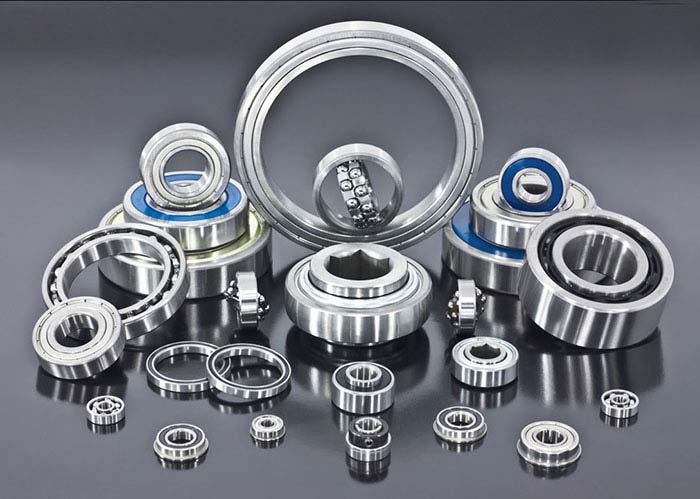
Evaluate Brand Reputation and Supplier Reliability
One of the easiest ways to ensure bearing quality is to buy from reputable suppliers.
Established distributors provide genuine bearings manufactured according to strict industrial standards. They also offer reliable documentation, accurate specifications, and consistent product quality.
Industrial suppliers like AlmaBearings specialize in providing verified bearing products for global markets. Buyers can review product details, compare specifications, and choose the right components for their machines with confidence.
Choosing a reliable supplier significantly reduces the risk of receiving counterfeit or low‑grade bearings.
If you are searching for dependable high quality bearings for industrial equipment, AlmaBearings offers a comprehensive selection designed for durability and performance. Engineers and maintenance teams can browse various bearing types, review technical specifications, and source reliable components for their machinery through AlmaBearings.
Watch for Warning Signs of Low Quality Bearings
Recognizing warning signs can help buyers avoid purchasing inferior bearings.
Common red flags include:
- unusually low prices compared to market standards
- missing or incomplete technical documentation
- poor packaging or unclear product labeling
- inconsistent dimensions or rough surface finishing
Bearings are precision components, and quality manufacturers invest heavily in production processes. If a product seems significantly cheaper than comparable options, it may indicate compromised manufacturing quality.
Check for Proper Packaging and Identification
Professional bearing manufacturers package their products carefully to prevent contamination or damage during transportation.
High‑quality bearings are typically supplied with:
- sealed protective packaging
- clear labeling with model numbers
- manufacturer identification
- traceable batch numbers
These details allow buyers to verify authenticity and confirm that the product matches the intended specification.
Lack of proper packaging or unclear labeling may indicate counterfeit or low‑quality components.
Consider Application Requirements Before Buying
Even the highest quality bearing can fail if it is not suitable for the intended application.
Engineers must evaluate several factors before making a final selection:
- operating load conditions
- rotational speed
- temperature range
- alignment conditions
- lubrication requirements
For example, machines that experience shaft misalignment often benefit from bearings like Spherical Roller Bearings, which can tolerate angular misalignment while supporting heavy loads.
Matching the bearing type to the application ensures long service life and reliable machine performance.
Conclusion
Identifying high quality bearings before buying is essential for maintaining machine efficiency, reliability, and long‑term performance. By evaluating materials, manufacturing precision, technical specifications, sealing systems, and supplier reputation, engineers and industrial buyers can avoid low‑quality components that may cause costly equipment failures.
Reliable suppliers play a key role in this process by offering verified products, accurate documentation, and professional support. AlmaBearings provides a wide range of industrial bearings designed to meet demanding operational requirements, helping businesses source dependable components for their machinery.
Investing time in proper bearing evaluation ultimately leads to improved machine performance and reduced maintenance costs.
FAQ – High Quality Bearings
1. How can I tell if a bearing is high quality?
High‑quality bearings typically feature precise machining, smooth raceways, strong materials, accurate specifications, and reliable manufacturer documentation.
2. Do high quality bearings last longer?
Yes. High‑quality bearings are manufactured with better materials and tighter tolerances, which increases durability and reduces wear.
3. Why do some bearings fail quickly?
Premature bearing failure often occurs due to poor manufacturing quality, incorrect installation, contamination, or inadequate lubrication.
4. Are expensive bearings always better?
Not always, but extremely cheap bearings often indicate lower manufacturing quality or counterfeit products.
5. What industries require high quality bearings?
Industries such as manufacturing, automotive, aerospace, robotics, mining, and energy production depend on high‑quality bearings.
6. Where can I buy reliable bearings online?
Trusted industrial suppliers like AlmaBearings provide a wide selection of verified bearings suitable for many applications worldwide.
Comments (0)