
Shopping Cart
There are no more items in your cart
- News
- 0 likes
- 538 views
- 0 comments
- NSK vs NTN Bearings
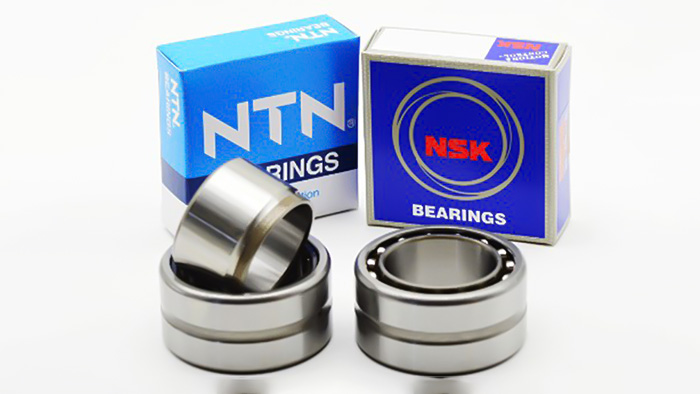
When industrial buyers, maintenance engineers, and machine designers compare NSK vs NTN bearings, they are usually looking for one clear answer: which brand is better? The truth is that both NSK and NTN are globally respected Japanese bearing manufacturers with strong reputations for precision, reliability, and engineering quality. Both brands are used in automotive systems, industrial machinery, electric motors, gearboxes, pumps, conveyors, robotics, machine tools, and heavy-duty equipment.
However, choosing between NSK and NTN is not always simple. The right choice depends on the application, load conditions, operating speed, environment, lubrication strategy, budget, availability, and required service life. In many applications, both brands can perform very well. In other cases, one may be a better fit because of product range, technical design, delivery time, or compatibility with existing equipment.
This article provides a practical comparison of NSK vs NTN bearings from a technical and purchasing perspective. Instead of focusing only on brand reputation, we will compare performance factors such as precision, durability, load capacity, speed capability, sealing, lubrication, application suitability, cost, and total value.
If you are sourcing bearings for industrial machinery, the goal is not simply to choose the most famous brand. The goal is to choose the bearing that matches your equipment’s operating conditions and helps reduce downtime.
Our products: Ball Bearings
Overview of NSK Bearings
NSK is one of the most recognized bearing manufacturers in the world. The company is known for producing high-quality bearings for industrial, automotive, precision, and motion control applications. NSK bearings are commonly used in electric motors, machine tools, pumps, compressors, gearboxes, automotive systems, robotics, and heavy industrial equipment.
One of NSK’s strengths is its broad engineering focus. The brand is often associated with precision, smooth operation, advanced material technology, and reliable performance in demanding applications. NSK offers a wide range of bearing types, including:
- Deep groove ball bearings
- Angular contact ball bearings
- Cylindrical roller bearings
- Tapered roller bearings
- Spherical roller bearings
- Thrust bearings
- Needle roller bearings
- Super precision bearings
- Linear motion products
- Automotive bearings
NSK bearings are often selected when precision, stable rotation, noise control, and long service life are important. They are widely used in applications where bearing failure can lead to production loss, quality problems, or expensive machine damage.
In the comparison of NSK vs NTN bearings, NSK is often considered a strong option for high-precision machinery, electric motors, machine tools, and applications requiring smooth running performance.
Overview of NTN Bearings
NTN is another major Japanese bearing manufacturer with a strong global presence. NTN bearings are widely used in automotive, industrial, agricultural, construction, wind energy, rail, and heavy-duty machinery applications. The company is known for producing reliable bearings with strong performance in both standard and demanding operating conditions.
NTN offers a broad product portfolio, including:
- Deep groove ball bearings
- Angular contact ball bearings
- Cylindrical roller bearings
- Tapered roller bearings
- Spherical roller bearings
- Needle roller bearings
- Thrust bearings
- Mounted units
- Wheel hub bearings
- Constant velocity joints
- Precision bearings
- Large-size bearings
NTN has a particularly strong reputation in automotive and heavy-duty applications. Its bearings are commonly found in wheel hubs, transmissions, engines, industrial gearboxes, construction equipment, and rotating machinery. NTN also has strong capabilities in large bearings and special application bearings.
When comparing NSK vs NTN bearings, NTN is often seen as a dependable choice for automotive systems, industrial rotating equipment, heavy machinery, and applications requiring durable performance under practical operating conditions.
NSK vs NTN Bearings: Brand Reputation
Both NSK and NTN have excellent reputations in the global bearing industry. They are not low-cost generic brands; they are premium manufacturers with long histories, strong research and development, and international quality standards.
NSK is often associated with:
- Precision engineering
- Low-noise operation
- High-speed performance
- Machine tool applications
- Electric motor applications
- Advanced bearing technology
NTN is often associated with:
- Automotive strength
- Industrial reliability
- Heavy-duty performance
- Large bearing capability
- Practical durability
- Strong application coverage
That said, these are general impressions rather than fixed rules. NSK also produces heavy-duty bearings, and NTN also produces precision bearings. The best choice must be based on the specific bearing series, technical specifications, and operating environment.
A common mistake is choosing a bearing only because of the brand name. In reality, two bearings from different brands may have the same basic dimensions but different internal designs, cage materials, sealing options, clearance classes, grease types, precision grades, and load ratings.
For this reason, NSK vs NTN bearings should be compared at the product level, not only at the brand level.
Quality and Manufacturing Standards
Both NSK and NTN manufacture bearings according to international quality standards. Their products are used by OEMs and industrial users around the world. In general, both brands offer high-quality materials, accurate machining, controlled heat treatment, and strict inspection processes.
Quality in bearings depends on several factors:
- Steel cleanliness
- Raceway surface finish
- Heat treatment quality
- Dimensional accuracy
- Internal geometry
- Cage design
- Lubrication compatibility
- Seal quality
- Noise and vibration control
- Fatigue resistance
NSK bearings are often valued for their smooth running characteristics and precision consistency. This can be important in electric motors, machine tools, servo systems, and equipment where vibration or noise must be minimized.
NTN bearings are also manufactured to high standards and are widely used in demanding applications where durability and practical reliability are essential. NTN’s experience in automotive and industrial systems gives it strong credibility in real-world operating conditions.
From a quality perspective, there is no simple winner in NSK vs NTN bearings. Both are premium brands. The better option depends on the exact bearing type and the application requirement.
Performance in High-Speed Applications
Speed capability is one of the most important selection factors in bearing engineering. A bearing used in a high-speed motor or spindle must control friction, heat generation, vibration, and lubrication stability.
NSK is often a strong choice for high-speed and precision applications. Its super precision bearings and electric motor bearings are widely used where stable rotation and low noise are critical. NSK bearings can be a good option for applications such as:
- Electric motors
- High-speed pumps
- Machine tool spindles
- Servo motors
- Robotics
- Precision rotating equipment
NTN also offers high-speed and precision bearing solutions. NTN bearings are used in motors, automotive systems, machine tools, and industrial rotating equipment. In many standard high-speed applications, NTN can perform just as effectively when the correct bearing series, clearance, lubrication, and cage design are selected.
The real difference is not always the brand itself but the specific design. For high-speed applications, engineers should check:
- Limiting speed
- Reference speed
- Cage material
- Internal clearance
- Lubricant type
- Heat generation
- Seal friction
- Precision class
- Mounting accuracy
In NSK vs NTN bearings, NSK may often be preferred for ultra-precision or low-noise applications, while NTN remains a strong competitor in high-speed industrial and automotive systems.
Performance Under Heavy Loads
Load capacity is another key area in the NSK vs NTN bearings comparison. Bearings may need to handle radial loads, axial loads, or combined loads. In heavy machinery, shock loads and misalignment may also be present.
Both NSK and NTN produce roller bearings suitable for heavy-load applications, including spherical roller bearings, cylindrical roller bearings, tapered roller bearings, and thrust bearings.
NSK heavy-duty bearings are commonly used in industrial machinery, gearboxes, mining equipment, steel mills, and paper machines. NSK designs often focus on fatigue life, raceway strength, and reliability under demanding loads.
NTN is also highly competitive in heavy-load applications. NTN has a strong presence in automotive drivetrains, construction machinery, industrial gearboxes, wind energy, and large rotating equipment. Its large bearing and roller bearing product lines are often chosen for durability and load resistance.
When evaluating heavy-load performance, buyers should not compare only the brand. They should check:
- Dynamic load rating
- Static load rating
- Bearing internal design
- Roller profile
- Cage strength
- Heat treatment
- Lubrication method
- Misalignment tolerance
- Shock load resistance
For heavy-duty machinery, NTN may be especially attractive where ruggedness and practical durability are priorities. NSK may be preferred where heavy-load performance must also be combined with precision and vibration control.
If you are comparing NSK vs NTN bearings for your machinery, Alma Bearings can help you select the right option based on bearing type, load, speed, environment, and maintenance requirements.
Durability and Service Life
Bearing service life is not determined by brand alone. It depends on operating conditions and correct selection. Even the best bearing can fail early if it is overloaded, poorly lubricated, contaminated, incorrectly mounted, or exposed to excessive heat.
That said, both NSK and NTN are known for strong durability when used correctly. Their premium materials and manufacturing processes help improve fatigue resistance and running reliability.
NSK bearings are often selected for applications where long-term accuracy, smooth running, and low vibration are important. This makes them suitable for precision machinery and equipment where performance consistency matters over long operating periods.
NTN bearings are often chosen for practical durability in automotive and industrial environments. Their products are widely used in systems exposed to changing loads, continuous operation, and demanding field conditions.
Common factors that affect service life include:
- Correct bearing size
- Proper load rating
- Clean installation
- Correct shaft and housing fits
- Suitable lubrication
- Effective sealing
- Temperature control
- Alignment accuracy
- Contamination prevention
- Regular inspection
In the comparison of NSK vs NTN bearings, both brands can offer long service life. The difference usually comes down to selecting the correct series and maintaining it properly.
Noise and Vibration Performance
Noise and vibration are important in applications such as electric motors, fans, pumps, household appliances, HVAC systems, precision equipment, and machine tools.
NSK has a strong reputation for low-noise and low-vibration bearings. This is one reason NSK bearings are often used in electric motors and precision equipment. Smooth raceway finishing, accurate geometry, and controlled internal design can help reduce vibration and improve operational stability.
NTN also produces low-noise bearings and is widely used in automotive and industrial applications where vibration control is important. NTN bearings can perform very well in electric motors, rotating equipment, and precision assemblies when the correct grade and design are selected.
For noise-sensitive applications, the following factors matter:
- Bearing precision class
- Internal clearance
- Raceway finish
- Cage design
- Lubricant quality
- Seal type
- Mounting accuracy
- Shaft and housing tolerances
- Operating speed
If extremely low noise is a priority, NSK may often be considered first. However, NTN can also be an excellent choice depending on the exact bearing model and specification.
Sealing and Contamination Resistance
Contamination is one of the most common causes of bearing failure. Dust, moisture, metal particles, chemicals, and abrasive materials can damage raceways and reduce lubricant effectiveness.
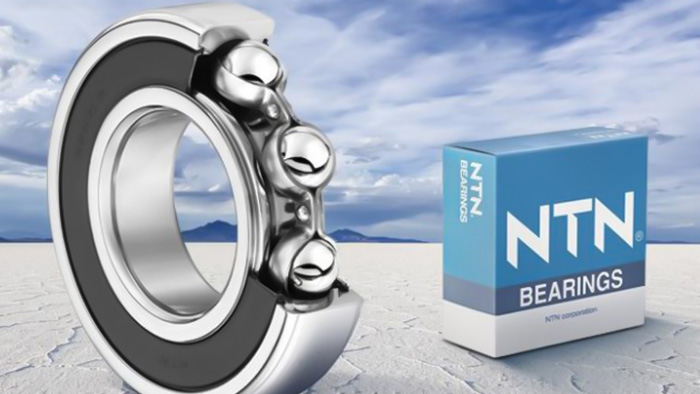
Both NSK and NTN offer sealed and shielded bearing options. These may include metal shields, contact rubber seals, non-contact seals, and application-specific sealing solutions.
NSK sealed bearings are commonly used in electric motors, pumps, fans, and general machinery where grease retention and contamination protection are needed. NTN also offers strong sealing solutions, especially for automotive, agricultural, and industrial equipment.
For harsh environments, sealing performance may matter more than the brand name. Buyers should consider:
- Dust exposure
- Water exposure
- Chemical exposure
- Operating temperature
- Seal friction
- Grease retention
- Maintenance interval
- Speed requirement
Contact seals provide better contamination protection but may create more friction and heat. Non-contact seals reduce friction but may offer less protection in dirty environments.
In NSK vs NTN bearings, both brands provide sealing options, but the best choice depends on the environment and maintenance strategy.
Lubrication Compatibility
Lubrication is essential for reducing friction, preventing wear, controlling temperature, and protecting metal surfaces. Both NSK and NTN bearings are compatible with grease or oil lubrication depending on design and application.
For standard sealed bearings, factory grease may be enough for the expected service life. For industrial machinery, relubrication may be required. For high-speed or high-temperature applications, special grease or oil systems may be necessary.
When choosing between NSK and NTN, lubrication should be evaluated carefully. The wrong lubricant can reduce bearing life even if the bearing itself is high quality.
Key lubrication factors include:
- Grease type
- Oil viscosity
- Operating temperature
- Speed factor
- Load level
- Relubrication interval
- Compatibility with seals
- Contamination level
- Maintenance accessibility
Both brands provide bearing solutions for different lubrication conditions. The important point is to match the lubricant to the bearing design and machine environment.
Availability and Product Range
Availability can be a major deciding factor in real industrial purchasing. A technically perfect bearing is not useful if it is not available when the machine is stopped.
Both NSK and NTN have wide global distribution networks. However, local availability may vary depending on region, bearing type, size, and supplier stock.
NSK may be easier to source in some precision or electric motor bearing categories, depending on the market. NTN may be more available in some automotive, industrial, or heavy-duty categories. This can vary significantly from country to country.
Before choosing between NSK vs NTN bearings, buyers should check:
- Local stock availability
- Lead time
- Authorized distributor support
- Technical documentation
- Replacement compatibility
- Price stability
- After-sales support
- Risk of counterfeit products
For urgent maintenance, availability may become more important than small technical differences between brands.
Price Comparison
In many markets, NSK and NTN are both considered premium bearing brands. Prices are usually higher than low-cost generic bearings but often justified by better reliability, longer service life, and lower failure risk.
Price differences between NSK and NTN depend on:
- Bearing type
- Size
- Precision class
- Seal type
- Clearance class
- Cage material
- Country of origin
- Distributor margin
- Stock level
- Purchase volume
Sometimes NSK may be more expensive. In other cases, NTN may cost more. It is not accurate to say one brand is always cheaper.
The better question is not “Which bearing is cheaper?” but “Which bearing offers the best value for this application?”
A lower initial price can become expensive if the bearing fails early and causes downtime. A slightly more expensive bearing may be the better choice if it increases reliability and reduces maintenance cost.
Total Cost of Ownership
Total cost of ownership is especially important in industrial applications. Bearing cost is only one part of the total expense. A bearing failure can stop production, damage shafts, destroy seals, contaminate lubricants, and increase labor costs.
Total cost of ownership includes:
- Purchase price
- Installation cost
- Lubrication cost
- Maintenance cost
- Downtime cost
- Replacement frequency
- Energy efficiency
- Risk of secondary damage
- Spare parts availability
When comparing NSK vs NTN bearings, consider the machine’s criticality. For non-critical equipment, price and availability may be the main factors. For critical machinery, reliability and service life should be prioritized.
Both NSK and NTN can reduce total ownership cost when properly selected and installed. The best result comes from matching bearing design to the application rather than choosing only by brand preference.
To avoid counterfeit products and incorrect substitutions, work with a reliable supplier. Alma Bearings can help you source genuine NSK and NTN bearings for industrial, automotive, and heavy-duty applications.
Application-Based Recommendation
Choosing between NSK and NTN becomes easier when you look at the application.
Electric Motors
For electric motors, NSK is often a strong choice because of its reputation for low noise, smooth rotation, and precision. NTN is also suitable, especially when the correct clearance, seal type, and grease are selected.
Recommended approach: Compare noise rating, clearance, grease type, and availability.
Automotive Systems
NTN has a very strong presence in automotive applications, especially wheel hub bearings and drivetrain components. NSK is also widely used in automotive systems and offers excellent quality.
Recommended approach: Choose based on OEM specification and exact part compatibility.
Machine Tools
NSK is often preferred for high-precision machine tool applications, especially where spindle accuracy and low vibration are critical. NTN also offers precision bearing solutions.
Recommended approach: Focus on precision class, preload, speed rating, and thermal behavior.
Heavy Industrial Machinery
Both NSK and NTN offer strong solutions for gearboxes, steel mills, mining, and construction machinery. NTN may be attractive for rugged industrial applications, while NSK can be excellent when durability and precision must be combined.
Recommended approach: Compare load ratings, internal design, cage material, and lubrication requirements.
Pumps and Compressors
Both brands can perform well in pumps and compressors. The correct choice depends on speed, load, lubrication, temperature, and shaft alignment.
Recommended approach: Match bearing design to the pump or compressor duty cycle.
Common Mistakes When Choosing NSK or NTN Bearings
One mistake is assuming that all bearings with the same dimensions are identical. Two bearings may have the same bore, outside diameter, and width but different internal clearances, cages, seals, grease, precision classes, and load ratings.
Another mistake is choosing based only on price. In industrial equipment, a bearing that saves a small amount at purchase may cause large losses if it fails early.
A third mistake is ignoring counterfeit risk. Premium brands like NSK and NTN are commonly targeted by counterfeiters. Buying from unreliable sources can lead to poor quality, early failure, and equipment damage.
Another common issue is replacing a bearing without understanding why the previous bearing failed. If the original failure was caused by misalignment, contamination, overloading, or poor lubrication, even a premium replacement bearing may fail again.
The best practice is to evaluate the entire bearing system, not just the brand.
NSK vs NTN Bearings: Quick Comparison Table
|
Factor |
NSK Bearings |
NTN Bearings |
|
Brand origin |
Japan |
Japan |
|
Market position |
Premium bearing manufacturer |
Premium bearing manufacturer |
|
Strengths |
Precision, smooth operation, low noise |
Durability, automotive strength, industrial reliability |
|
High-speed use |
Very strong |
Strong |
|
Heavy-duty use |
Strong |
Very strong |
|
Electric motors |
Excellent |
Excellent |
|
Automotive systems |
Excellent |
Excellent, especially strong |
|
Machine tools |
Very strong |
Strong |
|
Availability |
Depends on region and series |
Depends on region and series |
|
Price |
Premium |
Premium |
|
Best choice depends on |
Application requirements |
Application requirements |
So, Which One Should You Choose?
If your priority is high precision, low noise, smooth operation, and stable performance in electric motors or machine tools, NSK may be the better first option.
If your priority is rugged durability, automotive compatibility, heavy industrial performance, and strong reliability in demanding field conditions, NTN may be an excellent choice.
However, in many applications, both brands are suitable. The final decision should be based on:
- Exact bearing number
- Load rating
- Speed rating
- Internal clearance
- Seal type
- Precision class
- Lubrication requirements
- Operating environment
- Availability
- Budget
- Supplier reliability
The best answer to NSK vs NTN bearings is not about choosing one brand forever. It is about choosing the correct bearing for the specific machine.
Still not sure whether NSK or NTN is right for your equipment? Contact Alma Bearings for expert support in selecting genuine bearings that match your machinery, operating conditions, and maintenance goals.
Conclusion
The comparison of NSK vs NTN bearings shows that both brands are excellent choices for industrial and automotive applications. NSK is often associated with precision, smooth running, and low-noise performance, while NTN is widely respected for durability, automotive expertise, and heavy-duty reliability.
There is no universal winner. NSK may be better for one application, while NTN may be better for another. In many cases, both brands can perform equally well if the bearing is correctly selected, installed, lubricated, and maintained.
For buyers and engineers, the most important step is to move beyond brand comparison and evaluate the actual operating conditions. Load, speed, temperature, contamination, lubrication, alignment, and downtime risk should guide the final decision.
Choosing the right bearing is not just about buying a component. It is about protecting your machinery, reducing maintenance costs, and improving long-term reliability.
Our products: Roller Bearings
Frequently Asked Questions
1. Are NSK bearings better than NTN bearings?
Not always. NSK and NTN are both premium Japanese bearing brands. NSK may be preferred for precision, low-noise, and high-speed applications, while NTN may be preferred for automotive, heavy-duty, and rugged industrial applications. The better choice depends on the exact machine requirements.
2. Can I replace an NSK bearing with an NTN bearing?
Yes, in many cases, an NTN bearing can replace an NSK bearing if the dimensions, load rating, clearance, precision class, seal type, and lubrication requirements match. However, direct replacement should always be checked using technical specifications, not only the bearing number.
3. Which brand is better for electric motors: NSK or NTN?
Both brands are suitable for electric motors. NSK is often highly regarded for low-noise and smooth-running motor bearings. NTN also offers reliable motor bearing solutions. The best choice depends on speed, noise requirement, grease type, seal design, and availability.
4. Which brand is better for heavy machinery?
Both NSK and NTN produce heavy-duty bearings. NTN is often considered very strong in rugged industrial and automotive-related applications, while NSK also offers excellent heavy-duty solutions with strong precision and reliability. The final choice should be based on load capacity, shock resistance, lubrication, and application conditions.
Comments (0)