
Shopping Cart
There are no more items in your cart
- News
- 0 likes
- 169 views
- 0 comments
- Precision Bearings
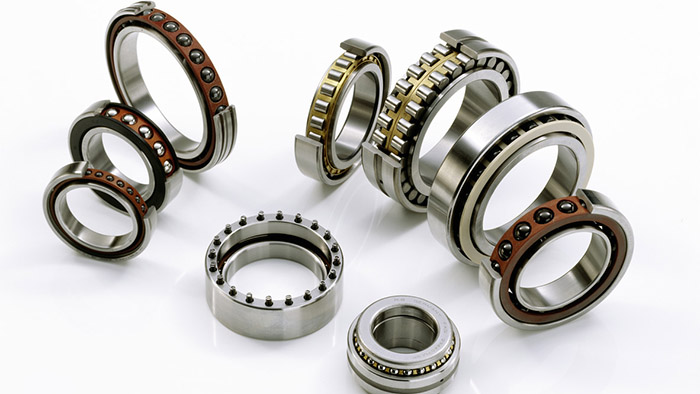
Precision equipment is used in industries where even the smallest mechanical deviation can affect performance, product quality, and operational accuracy. From laboratory instruments and medical devices to semiconductor manufacturing systems and high‑end automation equipment, these machines rely on extremely stable rotational motion.
At the center of this stability are precision bearings, which allow moving components to rotate smoothly while maintaining tight tolerances and minimal friction. Unlike standard industrial bearings, precision components must operate with extremely accurate alignment, controlled internal clearance, and exceptional surface finish.
Selecting the right bearing for precision equipment requires careful evaluation of load characteristics, rotational accuracy, vibration control, lubrication methods, and environmental conditions. Engineers and manufacturers seeking reliable solutions often source high‑quality components from trusted suppliers such as AlmaBearings, which provides a wide range of engineered bearing products for industrial and precision applications worldwide.
Read more: Ball Bearings
Why Bearing Selection Is Critical in Precision Equipment
Precision equipment operates in environments where accuracy is essential. In many cases, machines must maintain micron‑level tolerances during continuous operation. Any mechanical instability—such as vibration, friction, or misalignment—can reduce accuracy and lead to product defects or measurement errors.
Bearings directly influence the rotational behavior of shafts, spindles, and motion assemblies. If a bearing lacks the necessary precision grade or structural stability, it can introduce runout, thermal expansion issues, and uneven load distribution.
This is particularly important in industries such as:
- CNC machining and metal processing
- Semiconductor manufacturing
- Medical and laboratory equipment
- Robotics and automation systems
- Optical instruments and measuring devices
In these environments, bearing selection becomes an engineering process rather than a simple component choice.
Understanding Precision Bearing Requirements
Precision machines require components capable of maintaining consistent performance over long periods of operation. Several performance factors determine whether a bearing is suitable for these applications.
Rotational Accuracy
One of the most important characteristics of precision equipment is rotational accuracy. Bearings must allow shafts to rotate with minimal deviation from their intended axis.
High rotational accuracy prevents vibration, ensures stable tool movement in machining equipment, and maintains measurement reliability in sensitive instruments.
Manufacturers achieve this by controlling manufacturing tolerances, surface finish, and internal geometry during the production of high‑precision bearings.
Low Friction and Smooth Motion
Precision systems often operate at high speeds or require extremely smooth motion. Friction inside the bearing assembly must be minimized to prevent heat buildup and energy loss.
Low friction also improves positioning accuracy in automated systems and robotic assemblies. Even small friction variations can affect motion control and reduce operational precision.
Proper lubrication and optimized bearing design are essential to maintaining smooth rotation over long operational cycles.
Vibration and Noise Reduction
In precision environments, vibration is a major concern. Excessive vibration can affect measurement systems, reduce machining accuracy, and create instability in high‑speed equipment.
Bearings used in these machines must provide stable load distribution and balanced rolling motion. High‑quality manufacturing and strict quality control are essential to achieving low vibration levels.
Reducing vibration also helps extend the life of surrounding mechanical components.
Thermal Stability
Heat generation is another critical factor in precision systems. As bearings rotate, friction and load forces generate heat that can cause thermal expansion in machine components.
Thermal expansion can change shaft alignment, alter tolerances, and affect overall machine accuracy. Bearings designed for precision equipment must maintain consistent internal geometry even under temperature fluctuations.
Effective lubrication and proper material selection help control thermal behavior during operation.
Bearing Types Commonly Used in Precision Equipment
Certain bearing designs are widely used in precision systems due to their ability to support accurate rotation and maintain stability under demanding conditions.
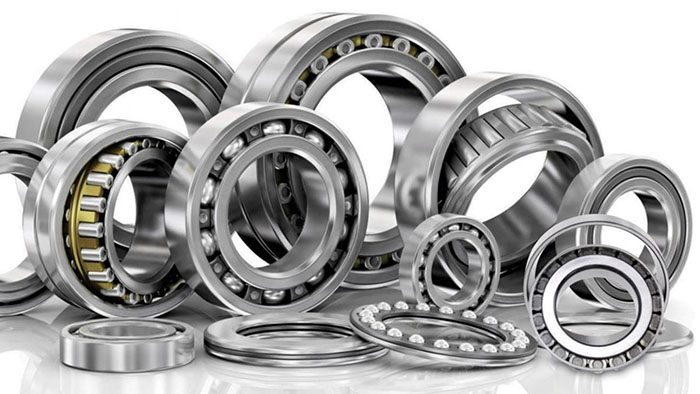
Among the most commonly used are Angular Contact Ball Bearings, Deep Groove Ball Bearings, Cylindrical Roller Bearings, and Needle Roller Bearings. These bearing types are engineered to handle different combinations of speed, load direction, and structural rigidity.
Each design provides unique advantages depending on the machine’s requirements. Some are optimized for high‑speed rotation, while others offer increased rigidity for equipment that experiences higher loads or structural stresses.
Selecting the correct design ensures that the bearing can maintain both performance and durability within the machine assembly.
The Role of Precision Bearings in High‑Accuracy Machinery
In precision machinery such as CNC spindles, medical imaging devices, and advanced manufacturing systems, rotational stability is fundamental to achieving accurate results. Bearings must support rotating components without introducing vibration, runout, or mechanical play.
When a bearing maintains consistent alignment during operation, the machine can achieve higher accuracy and repeatability. This is especially important in machining environments where even microscopic deviations can affect surface finish and dimensional accuracy.
High‑precision bearings are therefore manufactured with extremely tight tolerances to ensure reliable rotational behavior in these demanding applications.
Environmental Factors That Affect Precision Bearing Performance
Precision equipment is often installed in controlled environments, but external conditions can still influence bearing performance.
Dust particles, humidity, and chemical exposure can damage internal bearing surfaces if proper sealing and lubrication are not maintained. Even small contaminants can create surface imperfections that affect rotational smoothness.
Temperature stability is another key factor. Precision machines typically operate within controlled temperature ranges to maintain dimensional consistency. Bearings must therefore be capable of performing reliably within these thermal limits.
Engineers must consider these environmental influences when selecting bearing materials, seals, and lubrication systems.
The Importance of Manufacturing Quality
Precision bearings require advanced manufacturing techniques to achieve the accuracy needed for high‑performance equipment. The raceways, rolling elements, and cage structures must be produced with extremely smooth surface finishes and minimal geometric deviation.
Manufacturing processes such as precision grinding, heat treatment, and dimensional inspection help ensure that bearings meet strict performance standards. Any inconsistency in these processes can lead to increased vibration, noise, or reduced service life.
This is why sourcing bearings from reliable industrial suppliers is critical for companies that depend on high‑accuracy machinery.
Selecting the correct bearing design is only part of the solution. Ensuring consistent product quality and reliable availability is equally important for companies operating precision equipment.
AlmaBearings provides access to high‑quality industrial and precision bearing solutions designed for demanding engineering applications. With reliable sourcing and global distribution, businesses can maintain stable equipment performance while minimizing downtime in critical operations.
Technical Parameters to Evaluate When Selecting Precision Bearings
Engineers typically evaluate several technical specifications before choosing a bearing for precision equipment.
Precision Grades
Bearings used in precision machines are classified according to manufacturing tolerance grades. Higher precision grades provide tighter dimensional accuracy and improved rotational performance.
These grades are especially important for machine tool spindles, robotics systems, and measurement equipment where alignment accuracy is critical.
Internal Clearance and Preload
Internal clearance describes the amount of free movement within the bearing assembly. In precision applications, engineers often apply preload to eliminate internal play and increase rigidity.
Proper preload improves positioning accuracy and reduces vibration. However, excessive preload can generate heat and reduce bearing life, so careful adjustment is necessary.
Material and Surface Quality
High‑quality bearing steel and advanced heat treatment processes are essential for precision performance. These materials provide excellent fatigue resistance while maintaining dimensional stability during operation.
Surface finish is also extremely important. Smooth raceways reduce friction, minimize noise, and improve overall rotational consistency.
Lubrication Method
Lubrication plays a critical role in precision bearing performance. Grease lubrication is often used in sealed systems with moderate speeds, while oil lubrication may be preferred for high‑speed spindle applications.
Proper lubrication reduces friction, controls temperature, and protects internal surfaces from wear and contamination.
Common Mistakes When Selecting Bearings for Precision Equipment
One of the most common mistakes is choosing bearings based solely on load capacity without considering accuracy requirements. Precision machines often require components manufactured with much tighter tolerances than standard industrial bearings.
Another common issue is improper preload adjustment, which can either introduce vibration or generate excessive heat. Installation errors and contamination during assembly can also significantly reduce bearing performance.
Careful engineering evaluation and clean installation practices are essential for maintaining the accuracy and reliability of precision equipment.
Maintenance Strategies for Precision Bearings
Although precision bearings are designed for high performance, proper maintenance is still necessary to ensure long service life.
Regular monitoring of vibration levels, temperature, and lubrication condition can help detect early signs of wear or imbalance. Maintenance teams often use condition monitoring systems to track machine health and identify potential issues before they lead to failure.
Proper storage and handling are also important. Precision bearings should be kept in clean environments and installed using specialized tools to prevent damage during assembly.
Conclusion
Selecting the right precision bearings is essential for maintaining the accuracy, efficiency, and reliability of high‑performance equipment. Engineers must evaluate multiple factors including rotational accuracy, load characteristics, lubrication strategy, environmental conditions, and manufacturing quality.
When these elements are carefully considered, precision machines can operate smoothly while maintaining the tight tolerances required for modern industrial and technological applications.
For companies seeking dependable solutions for precision equipment, AlmaBearings offers access to high‑quality bearing products designed to meet the demanding requirements of advanced machinery and precision engineering systems.
Read more: Roller Bearings
FAQ – Precision Bearings
1. What are precision bearings used for?
Precision bearings are used in high‑accuracy machines such as CNC equipment, robotics systems, medical devices, and measuring instruments where smooth and accurate rotation is essential.
2. How are precision bearings different from standard bearings?
They are manufactured with tighter tolerances, smoother surface finishes, and higher accuracy grades to minimize vibration and rotational deviation.
3. Why is preload important in precision bearings?
Preload eliminates internal clearance, improving rigidity and rotational accuracy in high‑precision machinery.
4. Can precision bearings operate at high speeds?
Yes, many precision bearings are specifically designed for high‑speed applications such as machine tool spindles and automation systems.
5. How can contamination affect precision bearings?
Even small particles can damage raceways, increase vibration, and reduce the accuracy of rotating components.
6. Where can businesses source reliable precision bearings?
Industrial suppliers such as AlmaBearings provide engineered bearing solutions for precision equipment and advanced machinery applications.
Comments (0)