
Shopping Cart
There are no more items in your cart
- News
- 0 likes
- 145 views
- 0 comments
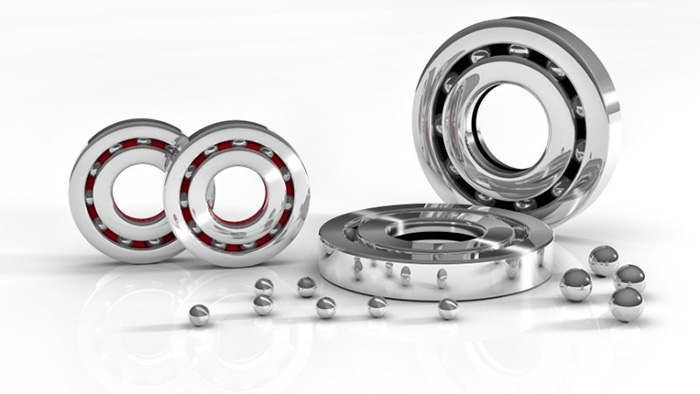
When choosing a bearing for industrial equipment, one of the most important design decisions is whether to use a sealed or shielded version. At first glance, the difference may seem small, but in real operating conditions it can have a major impact on performance, service life, maintenance needs, and contamination resistance.
Understanding is especially important for engineers, maintenance teams, procurement specialists, and machine builders who need to balance speed, protection, and reliability. The wrong choice can lead to lubrication loss, contamination problems, overheating, unnecessary friction, or premature failure.
Both bearing types are designed to protect the rolling elements and extend operating life, but they do so in different ways. A sealed bearing is designed to retain grease and block contaminants more aggressively. A shielded bearing offers lighter protection with lower friction and better speed capability.
This article explains the key differences between sealed vs shielded bearings, where each type performs best, and how to choose the right one for your application.
Our Products: Roller Bearings
What Are Sealed Bearings?
Sealed bearings are fitted with non-contact or contact-type seals on one or both sides of the bearing. These seals help keep grease inside the bearing and prevent dirt, dust, moisture, and other contaminants from entering.
In many applications, sealed bearings are preferred when the environment is dirty, wet, or difficult to access. Because the lubricant is already contained within the bearing, they are often considered a lower-maintenance solution.
The main advantage of sealed bearings is their strong protection. They are commonly used in applications where reliability is more important than maximum speed, especially in equipment exposed to contamination or frequent handling.
Alma Bearings can help you compare sealed vs shielded bearings and select the right option for your industrial equipment based on speed, environment, and maintenance needs.
What Are Shielded Bearings?
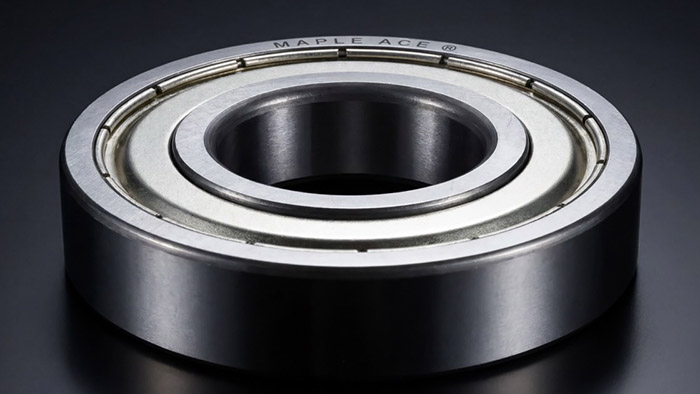
Shielded bearings are fitted with metal shields rather than rubber seals. These shields are usually non-contact or very light-contact barriers that help reduce contamination while allowing the bearing to rotate with less resistance.
Because the shield does not create as much drag as a seal, shielded bearings often perform better in higher-speed applications. They also tend to generate less heat and offer smoother running characteristics.
Shielded bearings are commonly used in applications where speed is important and contamination levels are moderate rather than extreme. They provide a good balance between protection and efficiency.
Our Products: Ball Bearings
Core Differences Between Sealed and Shielded Bearings
The most important difference between sealed vs shielded bearings is the type of protection used around the bearing opening. Sealed bearings use rubber or elastomer seals that create a more effective barrier against contaminants. Shielded bearings use thin metal shields that offer lighter protection but less friction.
In practical terms, sealed bearings are better for harsher environments, while shielded bearings are better for high-speed operation. Sealed versions usually retain grease more effectively and require less maintenance over time. Shielded versions usually spin more freely and produce less heat.
The right choice depends on the operating environment, speed, lubrication requirements, and the consequences of contamination or drag in the machine.
Performance Comparison
When comparing sealed vs shielded bearings, performance differences become easier to understand when viewed through real application needs.
| Factor | Sealed Bearings | Shielded Bearings |
|---|---|---|
| Contamination protection | Stronger | Moderate |
| Friction | Higher | Lower |
| Speed capability | Good, but limited by seal drag | Better for higher speeds |
| Heat generation | Slightly higher | Lower |
| Lubrication retention | Excellent | Good |
| Maintenance need | Lower | Moderate |
| Environment suitability | Dirty, wet, dusty | Cleaner or moderate environments |
This comparison shows why there is no universal winner. The best bearing is the one that matches the machine’s operating conditions.
When to Choose Sealed Bearings
Sealed bearings are usually the better choice when contamination is a major concern. In dirty environments, the seal helps prevent particles from entering the bearing, which can significantly extend service life.
They are also a strong option when the bearing is difficult to access after installation. In those cases, a sealed design helps reduce maintenance frequency and keeps lubrication inside the bearing for a longer period.
Sealed bearings are often suitable for equipment such as agricultural machinery, conveyors exposed to dust, fans in contaminated areas, small electric motors, and general-purpose industrial machinery operating in harsh conditions.
Our Products: Deep Groove Ball Bearings
When to Choose Shielded Bearings
Shielded bearings are often the better choice when speed and low friction matter more than maximum contamination protection. Because the shields create less resistance, the bearing can operate more freely and generate less heat.
They are commonly used in electric motors, small precision equipment, light industrial machinery, and applications where the environment is relatively clean. If the machine runs at high speed and contamination is controlled, shielded bearings can offer excellent performance.
In many cases, shielded bearings are preferred when lubrication quality is stable and the machine does not face heavy dust, moisture, or debris exposure.
Which One Lasts Longer?
The answer depends on the application. In a dirty or wet environment, a sealed bearing will often last longer because it is better protected from contamination. In a clean, high-speed environment, a shielded bearing may last longer because it runs cooler and experiences less seal drag.
This is why the question of sealed vs shielded bearings should never be answered only by looking at the bearing design in isolation. The surrounding operating conditions are just as important as the bearing itself.
If a sealed bearing is used in a very clean, high-speed application, the extra seal friction may shorten its useful life. If a shielded bearing is used in a dusty or contaminated area, it may fail early because particles can enter more easily.
Lubrication Considerations
Lubrication is a major factor in bearing performance. Sealed bearings are often supplied with grease and designed to keep it inside for long periods. This makes them a practical choice for applications where relubrication is difficult or impossible.
Shielded bearings also retain grease well, but because the shields do not form as tight a barrier, they are generally more dependent on good operating conditions. They work very well when contamination is controlled and the machine does not require aggressive sealing.
If a machine runs in a difficult environment and cannot be serviced often, a sealed bearing usually offers better long-term protection. If the machine runs at high speed and maintenance intervals are manageable, a shielded bearing may be the better option.
Speed, Heat, and Friction
One of the main technical tradeoffs in sealed vs shielded bearings is the balance between protection and friction. Sealed bearings create more drag because the seal contacts or nearly contacts the inner ring. That extra resistance can create more heat, especially at higher speeds.
Shielded bearings create less drag because the metal shield sits closer to the internal components without the same sealing pressure. As a result, they usually run cooler and are better suited to faster rotation.
This is one reason shielded bearings are often chosen for motors and precision devices. However, lower drag does not automatically mean better overall performance. If contamination is a serious issue, a sealed bearing may still be the smarter choice even if it runs slightly hotter.
Installation and Maintenance Impact
From a maintenance perspective, sealed bearings are often simpler to manage. Because the grease is retained inside and contaminants are blocked more effectively, they can reduce service frequency in many applications.
Shielded bearings may still offer long service life, but they are generally more dependent on cleaner operating conditions and proper external protection. In some cases, that means more careful maintenance planning.
For maintenance teams, the decision often comes down to how accessible the machine is, how dirty the environment is, and how much downtime can be tolerated. If a bearing failure would cause significant disruption, stronger protection may be worth the slight performance tradeoff.
Common Misunderstandings
A frequent misunderstanding is that sealed bearings are always better because they are more protected. In reality, that is not true. Sealed bearings are better in contaminated or difficult environments, but shielded bearings can be better in high-speed, low-contamination applications.
Another misunderstanding is that shielded bearings are fragile or inferior. That is also incorrect. In the right environment, shielded bearings can provide excellent performance with lower friction and less heat.
The real issue is not which type is better overall, but which type is better for the specific machine and application.
Two Practical Rules for Choosing the Right Type
- Choose sealed bearings when contamination, moisture, or maintenance limitations are the main concern.
- Choose shielded bearings when speed, low friction, and cooler running are more important than maximum sealing.
These two rules cover many industrial situations and help simplify the selection process.
Application Examples
In electric motors, shielded bearings are often chosen because the environment is relatively controlled and speed efficiency matters. In agricultural or food processing equipment, sealed bearings may be more suitable because the risk of contamination is much higher.
In conveyors, pumps, fans, and general industrial machinery, the choice depends on the surrounding conditions and maintenance access. A sealed design may be preferred for dusty operations, while a shielded design may be preferred in cleaner systems where the machine runs continuously at higher speed.
For machinery builders, it is often worth evaluating the entire operating profile before deciding. The wrong choice may not show up immediately, but it can affect long-term reliability and total cost of ownership.
Conclusion
The difference between sealed vs shielded bearings comes down to a tradeoff between protection and performance. Sealed bearings provide stronger contamination resistance and better grease retention, making them ideal for harsh or hard-to-service environments. Shielded bearings offer lower friction, cooler operation, and better speed capability, making them suitable for cleaner, faster-running applications.
Neither type is universally better. The correct choice depends on the operating environment, required speed, lubrication strategy, maintenance access, and the level of protection the machine needs.
For industrial users, making the right choice early can improve machine reliability, reduce downtime, and lower total operating costs. That is why understanding sealed vs shielded bearings is such an important part of bearing selection.
Contact Alma Bearings for trusted bearing solutions, technical guidance, and support in sourcing the right products for your machinery.
Our Products: Needle Roller Bearings
Frequently Asked Quest ions
1. What is the main difference between sealed and shielded bearings?
Sealed bearings use rubber or elastomer seals for stronger contamination protection, while shielded bearings use metal shields for lower friction and higher speed capability.
2. Are sealed bearings better than shielded bearings?
Not always. Sealed bearings are better in dirty or wet environments, while shielded bearings are often better in high-speed, cleaner applications.
3. Do shielded bearings last longer than sealed bearings?
It depends on the operating conditions. Shielded bearings may last longer in clean, high-speed applications, while sealed bearings usually last longer in contaminated environments.
4. Which bearing type needs less maintenance?
Sealed bearings usually need less maintenance because they retain grease better and provide stronger protection against contaminants.
Comments (0)