
Shopping Cart
There are no more items in your cart
- News
- 0 likes
- 216 views
- 0 comments
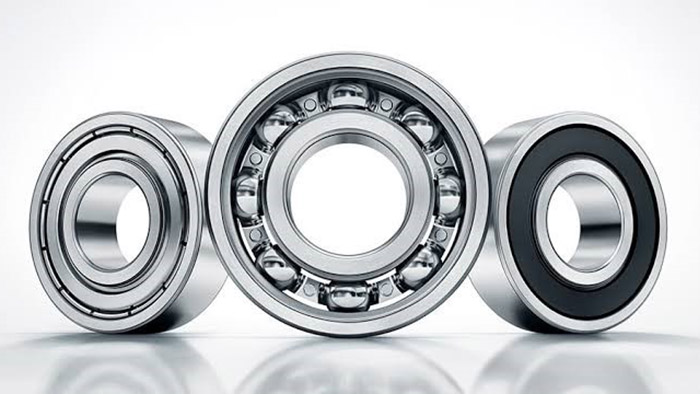
Bearing material has a direct effect on load capacity, corrosion resistance, wear behavior, operating speed, maintenance requirements, and service life. Although many bearings look similar from the outside, differences in steel composition and heat treatment can produce substantially different results inside a machine.
The comparison of stainless steel vs chrome steel bearings is particularly important in food processing, pharmaceutical manufacturing, chemical equipment, marine systems, electric motors, conveyors, pumps, and general industrial machinery. Chrome steel is widely used because it provides excellent hardness, fatigue resistance, dimensional stability, and cost efficiency. Stainless steel is generally selected when moisture, cleaning chemicals, humidity, or corrosive process materials make rust resistance a priority.
Neither material is better for every operating environment. Chrome steel is often the preferred option for high loads, high speeds, and protected industrial systems. Stainless steel can offer better reliability in wet, hygienic, or chemically exposed applications, even when its initial price is higher.
This guide compares stainless steel vs chrome steel bearings across their most important technical and commercial characteristics. It also explains how bearing grade, lubrication, seals, operating temperature, and environmental exposure influence the final selection.
Our Products: Deep Groove Ball Bearings
What Are Chrome Steel Bearings?
Chrome steel bearings are commonly manufactured from high carbon chromium bearing steel. One of the best-known material designations is SAE 52100, with comparable grades including 100Cr6 and SUJ2 under other international standards.
The word “chrome” in chrome steel does not mean that the bearing has a decorative chromium coating. Instead, chromium is added as an alloying element within the steel. Combined with a relatively high carbon content and controlled heat treatment, it helps the bearing achieve the hardness and wear resistance needed for rolling contact.
Chrome steel is the standard material for a large percentage of industrial ball bearings and roller bearings. It offers a strong combination of rolling contact fatigue resistance, dimensional accuracy, hardness, availability, and competitive cost.
The main limitation of standard chrome steel is its susceptibility to corrosion. If moisture reaches an unprotected raceway, rolling element, or ring surface, rust can develop. Even minor corrosion marks may disrupt the lubricant film and create stress concentrations that eventually cause vibration, noise, wear, or fatigue damage.
Choosing between stainless steel vs chrome steel bearings requires a complete review of corrosion exposure, load, speed, temperature, lubrication, and maintenance conditions. Alma Bearings can help you compare suitable materials and bearing configurations for your machinery.
What Are Stainless Steel Bearings?
Stainless steel bearings are manufactured from corrosion-resistant steel alloys containing enough chromium to form a passive oxide layer on the surface. This layer helps protect the material against oxidation and chemical exposure.
However, “stainless steel bearing” is a broad category rather than one specific material. Different stainless steel grades offer different combinations of corrosion resistance, hardness, magnetic behavior, load capacity, and temperature performance.
Martensitic stainless steels, such as AISI 440C, are frequently used for bearing rings and rolling elements because they can be heat treated to achieve relatively high hardness. Austenitic stainless steels, including AISI 304 and AISI 316, provide stronger corrosion resistance in many environments but are generally softer and less suitable for highly loaded raceways.
Some stainless bearing designs combine materials. For example, the rings and balls may use hardened stainless steel, while the cage is made from 304 stainless steel or an engineered polymer. The exact material specification must therefore be checked rather than assuming that every component offers the same level of corrosion resistance.
Stainless Steel vs Chrome Steel Bearings: Quick Comparison
| Selection factor | Stainless steel bearings | Chrome steel bearings |
|---|---|---|
| Corrosion resistance | Good to excellent, depending on grade | Limited without effective protection |
| Typical bearing material | 440C or similar hardened stainless steel | 52100, 100Cr6, or SUJ2 |
| Hardness | High, but often below premium chrome steel | Typically very high |
| Load capacity | Good, but may be lower for comparable designs | Usually excellent |
| Fatigue resistance | Good under suitable conditions | Generally superior in clean, lubricated service |
| Wet environment suitability | Strong | Requires effective sealing and protection |
| Chemical resistance | Grade dependent | Generally limited |
| High speed capability | Good with correct design and lubrication | Usually excellent |
| Magnetic properties | Often magnetic when made from 440C | Magnetic |
| Purchase cost | Usually higher | Usually lower |
| Availability | More specialized | Widely available |
| Typical applications | Food, marine, medical, chemical, washdown | Motors, gearboxes, machines, automotive, heavy industry |
This table provides a general comparison only. Actual performance depends on the bearing manufacturer, stainless steel grade, internal geometry, precision class, lubrication system, seals, and application conditions.
Our Products: Angular Contact Ball Bearings
Corrosion Resistance
Corrosion resistance is the clearest distinction in the stainless steel vs chrome steel bearings comparison. Stainless steel is designed to resist oxidation more effectively than standard bearing steel. It is therefore commonly selected for applications exposed to humidity, occasional water contact, washdown cycles, or mildly corrosive substances.
Chrome steel can perform reliably for many years when it remains clean, dry, and properly lubricated. Bearing oil and grease help create a protective barrier against moisture, while seals and housings limit environmental exposure. If these protections fail, however, chrome steel can corrode relatively quickly.
Corrosion damage does not need to be extensive to affect bearing performance. Small rust pits on a raceway alter the contact surface over which the balls or rollers travel. Each pass over the damaged area generates impact stress, vibration, and additional material breakdown.
Stainless steel significantly reduces this risk, but it should not be considered completely immune to corrosion. Chlorides, strong acids, high temperatures, stagnant saltwater, and aggressive cleaning chemicals can damage some stainless grades. A 440C stainless bearing, for example, may not provide the same chemical resistance as a component made from 316 stainless steel.
Material Hardness and Wear Resistance
Rolling bearings operate under concentrated contact stress. The raceways and rolling elements must be sufficiently hard to resist permanent deformation, abrasive wear, and surface fatigue.
Chrome bearing steel can be heat treated to a very high and consistent hardness. This is one reason it remains the preferred material for demanding industrial bearings. Its hardened surfaces resist wear and support repeated rolling contact under substantial loads.
Hardened stainless steel can also achieve good mechanical properties, but its hardness may be lower than that of an equivalent high-quality chrome steel bearing. The difference depends on the exact alloy and heat treatment used by the manufacturer.
Austenitic grades such as 304 and 316 provide excellent corrosion resistance in many environments, but they cannot generally achieve the same hardness as martensitic bearing steels through conventional heat treatment. Consequently, bearings made entirely from these grades are usually intended for lighter loads, lower speeds, or highly corrosive applications where material strength is not the primary requirement.
Load Capacity and Fatigue Life
Chrome steel bearings normally provide the best combination of load capacity and fatigue resistance for conventional industrial machinery. Their high hardness, clean metallurgy, and optimized heat treatment make them suitable for electric motors, pumps, gearboxes, machine tools, automotive systems, and production equipment.
Stainless steel bearings can support significant loads, especially when manufactured from hardened 440C or another high-performance bearing grade. Nevertheless, a stainless bearing should not automatically be assumed to have the same dynamic and static load ratings as a chrome steel bearing with identical external dimensions.
Manufacturers may use different internal geometries, ball sizes, raceway profiles, cages, or heat treatments. The only reliable approach is to compare the load ratings published for the exact products under consideration.
For an application dominated by heavy load and operating in a clean, dry environment, chrome steel is usually the logical choice. Where corrosion is likely to become the main cause of damage, a stainless steel bearing may achieve a longer practical service life even if its catalog fatigue rating is lower.
Speed and Friction Performance
The base material is only one factor affecting bearing speed. Raceway finish, dimensional precision, internal clearance, cage design, lubricant viscosity, seal contact, load, and heat dissipation all influence the maximum safe rotational speed.
High-quality chrome steel bearings are widely used in high-speed applications because they can be manufactured with extremely smooth raceways and tight tolerances. Their hardness and dimensional stability also support reliable performance at elevated rotational speeds.
Stainless steel bearings can also operate at high speeds when their design, precision class, lubrication, and internal clearance are appropriate. However, corrosion-resistant bearings are frequently supplied with contact seals and specialized grease. These features can impose a lower speed limit than an open chrome steel bearing.
When comparing products, engineers should review the reference speed and limiting speed specified by the manufacturer. The speed rating of one material or closure configuration should never be transferred automatically to another.
Temperature Performance
Both chrome steel and stainless steel bearings are affected by temperature. Heat can alter internal clearance, reduce lubricant viscosity, accelerate grease oxidation, weaken seals, and cause dimensional changes in the bearing rings.
Standard chrome steel bearings are suitable for a broad range of normal industrial temperatures. Specialized heat treatment, stabilized rings, high-temperature cages, or alternative lubricants may be required when operating conditions exceed standard limits.
Stainless steel bearings can also support elevated temperatures, but the allowable range depends on the alloy, heat treatment, cage, seals, and lubricant. A bearing fitted with polymer seals may reach its seal temperature limit long before the steel itself becomes a problem.
Material selection should therefore be based on the complete bearing specification. Choosing stainless steel alone does not automatically make a bearing suitable for extreme heat, steam sterilization, cryogenic service, or rapid thermal cycling.
Lubrication Requirements
Both materials require effective lubrication in conventional rolling bearing applications. Lubricant separates the rolling surfaces, reduces friction, protects against wear, removes or distributes heat, and helps prevent contamination or moisture from reaching the contact zone.
Stainless steel does not eliminate the need for oil or grease. A corrosion-resistant raceway can still fail because of insufficient lubricant film, excessive load, contamination, misalignment, or poor installation.
In wet applications, the selected lubricant must resist water washout and maintain its consistency. Food processing equipment may require an NSF H1 registered lubricant where incidental food contact is possible. Chemical or pharmaceutical environments may need greases compatible with process materials, cleaning agents, seals, and operating temperatures.
Chrome steel depends more heavily on the lubricant for corrosion protection. If a machine remains idle in a humid environment, condensation can develop and initiate rust. Suitable grease, effective sealing, periodic operation, and controlled storage can reduce this risk.
Seals and Contamination Protection
A stainless steel bearing may still require seals. Although the rings and rolling elements resist corrosion, dust, fibers, metal particles, and process residue can contaminate the lubricant and damage the raceways.
Contact seals provide strong protection and grease retention but generate additional friction. Noncontact seals or metal shields create less drag but offer reduced protection against liquids and fine contaminants.
For washdown equipment, the complete assembly should be reviewed. Moisture may bypass the bearing seal through the shaft interface, housing joint, or mounting surface. Stainless bearing inserts, corrosion-resistant housings, food-grade grease, protective covers, and suitable shaft seals may all be needed.
Similarly, a chrome steel bearing can perform well in a moderately wet facility if it is enclosed inside a properly designed and maintained sealing system. Bearing material should complement the equipment’s overall contamination-control strategy rather than replace it.
Hygiene and Washdown Applications
Stainless steel bearings are common in industries where equipment is washed frequently or exposed to strict hygiene requirements. Their corrosion resistance helps reduce rust formation on exposed surfaces and supports easier equipment cleaning.
Common applications include the following:
- Food and beverage conveyors, packaging lines, mixers, and filling machines
- Pharmaceutical processing, laboratory equipment, and clean production systems
- Dairy, meat, seafood, and bakery equipment exposed to regular sanitation
- Outdoor machinery, humid storage systems, and water treatment equipment
- Marine components exposed to spray, humidity, or intermittent saltwater
- Chemical processing machines handling compatible corrosive materials
Even within these industries, the correct stainless grade must be matched to the environment. Chlorine-based cleaners and saline solutions can be especially aggressive. Chemical compatibility should be checked with the bearing and lubricant manufacturer before final selection.
Magnetic Properties
A frequent misconception is that all stainless steel bearings are nonmagnetic. In reality, many stainless bearings are manufactured from martensitic grades such as 440C, which are magnetic.
Austenitic stainless steels such as 304 and 316 are generally considered nonmagnetic in their annealed condition, although cold working can introduce some magnetic response. Bearings produced from these materials may be selected for instruments, sensors, and specialized equipment, but their lower hardness can limit load and speed capability.
Chrome steel is magnetic. If low magnetic permeability is a critical requirement, neither standard chrome steel nor a typical 440C bearing should be selected without verifying the manufacturer’s material data.
For highly specialized nonmagnetic applications, ceramic bearings, plastic bearings, or custom austenitic stainless designs may be more appropriate.
Dimensional Accuracy and Precision Grades
Material does not determine precision grade by itself. Both stainless steel and chrome steel bearings can be produced to standard or high-precision tolerance classes.
Chrome steel bearings are available in an especially broad selection of precision levels because they dominate general industrial, automotive, electric motor, and machine tool markets. High-precision chrome steel bearings are commonly used in spindles, instruments, robotics, and high-speed motion systems.
Precision stainless bearings are also available, but the size range and local inventory may be more limited. Their cost can increase significantly when a specialized steel grade, high tolerance class, custom lubricant, or unusual seal arrangement is required.
For precision machinery, users should check bore and outside diameter tolerances, radial runout, axial runout, internal clearance, preload, noise class, and cage accuracy. The phrase “stainless steel” alone provides no assurance of precision.
Service Life in Real Operating Conditions
Calculated bearing life is often based on load and rotational speed, but real service life is frequently controlled by environmental conditions. Contamination, corrosion, lubricant degradation, installation damage, and misalignment can cause failure long before theoretical fatigue life is reached.
A chrome steel bearing may provide the longest service life in a clean, accurately aligned, well-lubricated machine. Under these conditions, its high hardness and fatigue strength can be fully utilized.
In a wet or chemically exposed environment, corrosion may become the dominant failure mechanism. A stainless steel bearing can provide better reliability because it is less likely to develop damaging rust pits.
The correct material is therefore the one that addresses the application’s most likely failure mode. Selecting solely on maximum catalog load rating can be as misleading as selecting solely on corrosion resistance.
Cost and Total Cost of Ownership
Chrome steel bearings usually have a lower initial purchase price. They are manufactured in high volumes, stocked globally, and available in a wide range of sizes and configurations.
Stainless steel bearings cost more because of their alloy composition, production requirements, lower manufacturing volume, and specialized market positioning. The price difference can be considerable for large, high-precision, or custom bearings.
Purchase price should be compared with the total cost of ownership. If a chrome steel bearing requires frequent replacement because of rust, its lower initial cost offers little value. Each replacement may involve labor, lost production, shaft inspection, lubricant consumption, and the risk of damaging nearby components.
A stainless bearing can be economically justified when it extends maintenance intervals or prevents an unplanned shutdown. Conversely, paying for stainless steel in a dry, protected gearbox may provide no practical advantage over a correctly specified chrome steel bearing.
When Should You Choose Chrome Steel Bearings?
Chrome steel is generally the best choice when mechanical performance, broad availability, and cost efficiency are more important than direct corrosion resistance.
It is commonly recommended when:
- The bearing operates in a clean, dry, and effectively sealed environment
- The application involves high loads, high speeds, or demanding fatigue conditions
- Standard industrial sizes and fast replacement availability are priorities
- The lubrication system provides reliable protection against wear and corrosion
- The bearing is installed in motors, gearboxes, pumps, fans, or production machinery
- Environmental moisture and aggressive chemicals are adequately controlled
Chrome steel remains the standard for most industrial applications because it offers dependable performance at a competitive cost. It should not, however, be exposed to conditions that its seals, housing, and lubricant cannot control.
When Should You Choose Stainless Steel Bearings?
Stainless steel is usually preferred when corrosion creates a credible risk to bearing reliability or product hygiene. It can be especially valuable where equipment is repeatedly washed, located outdoors, or exposed to moisture and compatible chemicals.
The exact alloy remains critical. Hardened stainless steel may be appropriate for standard rolling contact, while 316 stainless or a nonmetallic alternative may be needed for severe chemical exposure. No stainless grade should be chosen based only on its general reputation for corrosion resistance.
It is also important to inspect the entire assembly. Installing a stainless bearing in a corroding carbon steel housing may not solve the underlying reliability problem. Shafts, fasteners, housings, seals, and lubricants should be compatible with the operating environment.
Common Selection Mistakes
One common mistake is assuming that all stainless steel bearings are made from 316 stainless steel. Most conventional stainless ball bearings use a hardenable grade such as 440C for the raceways and rolling elements. The cage, shields, or housing may use a different grade.
Another mistake is believing that stainless steel cannot rust. Stainless materials resist corrosion, but their performance depends on alloy composition, surface condition, chloride concentration, temperature, oxygen availability, and chemical exposure.
Some buyers select stainless steel despite having a primarily mechanical problem. If a bearing is failing because of overload, poor alignment, incorrect clearance, or insufficient lubrication, changing the material may not resolve the failure.
Finally, users may compare bearings by dimensions alone. Two bearings with the same bore, outside diameter, and width may have different load ratings, speed limits, precision levels, clearances, grease fills, and seal designs.
How to Make the Final Decision
Start by identifying the primary cause of bearing risk. If high load, speed, or fatigue is the main challenge and the environment is controlled, chrome steel is usually the most efficient option. If moisture or chemical exposure is likely to initiate corrosion, stainless steel may offer greater practical reliability.
Next, verify the exact material grade rather than relying on a general product description. Review the manufacturer’s load ratings, limiting speed, temperature range, lubrication specification, internal clearance, seals, and cage material.
Finally, calculate the effect of failure on the complete operation. An inexpensive chrome steel bearing may be appropriate in an easily accessible, noncritical machine. A higher-priced stainless bearing may be justified when replacement requires extended downtime, intensive cleaning, or major disassembly.
Conclusion
The comparison of stainless steel vs chrome steel bearings is primarily a balance between corrosion resistance and mechanical performance. Chrome steel provides excellent hardness, fatigue strength, high-speed capability, availability, and overall value. It remains the preferred material for most clean, dry, and well-protected industrial applications.
Stainless steel provides better resistance to moisture, cleaning processes, humidity, and certain chemicals. It is often the more reliable choice for food processing, pharmaceutical, marine, outdoor, and washdown environments. Its higher cost can be justified when corrosion would otherwise shorten bearing life or compromise hygiene.
The final decision should not be based on material name alone. Stainless grade, load ratings, operating speed, lubricant, seals, cage design, temperature, and environmental chemistry must all be considered. By evaluating the entire bearing arrangement, engineers and maintenance teams can select a material that delivers dependable service rather than simply choosing the strongest or most corrosion-resistant option on paper.
Contact Alma Bearings for technical guidance and access to genuine stainless steel and chrome steel bearings. The right material selection can reduce corrosion-related failures, improve machine reliability, and lower long-term maintenance costs.
Frequently Asked Questions
1. Are stainless steel bearings better than chrome steel bearings?
Not universally. Stainless steel bearings are better in wet or corrosive environments, while chrome steel bearings generally provide stronger fatigue performance and better cost efficiency in clean, protected machinery.
2. Do stainless steel bearings rust?
They can. Stainless steel is corrosion resistant, not completely corrosion proof. Chlorides, aggressive chemicals, high temperatures, and damaged surfaces can still cause corrosion.
3. What grade of stainless steel is used in bearings?
AISI 440C is commonly used for bearing rings and rolling elements because it can be hardened. AISI 304 or 316 may be used for cages, housings, or specialized low-load bearings requiring greater corrosion resistance.
4. Is chrome steel actually coated with chrome?
No. Standard chrome bearing steel contains chromium as an alloying element. It is not normally a decorative chrome-plated material.
5. Which material supports heavier loads?
For comparable conventional designs, high-quality chrome steel bearings generally offer excellent load and fatigue performance. Actual ratings must still be checked in the manufacturer’s catalog.
6. Are stainless steel bearings food safe?
The steel alone does not determine food suitability. The bearing lubricant, seals, cage, housing, and applicable hygiene regulations must also be considered. Food equipment may require NSF H1 registered lubricant.
7. Are stainless steel bearings nonmagnetic?
Many are magnetic because they use martensitic stainless steel such as 440C. Some 304 or 316 components may have low magnetic response, but this must be confirmed for the exact product.
8. Do stainless steel bearings need lubrication?
Yes. Stainless steel bearings still require suitable lubrication to control friction, wear, heat, and contamination. Corrosion resistance does not replace proper lubrication.
Comments (0)