
Shopping Cart
There are no more items in your cart
- News
- 0 likes
- 141 views
- 0 comments
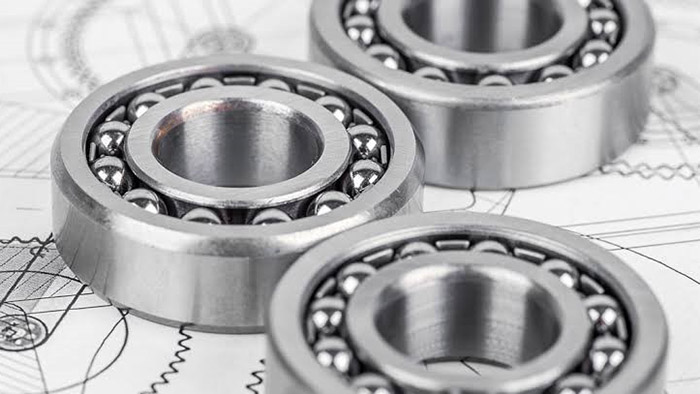
Counterfeit industrial components have become a serious challenge in global supply chains, and bearings are one of the most commonly copied products in the market. Because bearings are compact, technical, and often purchased in large quantities, they are an attractive target for counterfeiters who try to imitate trusted brands and sell low-quality products at competitive prices.
For industrial buyers, maintenance managers, workshop owners, and procurement teams, knowing how to avoid fake bearings is not just a purchasing concern. It is directly connected to reliability, safety, and cost control. A counterfeit bearing can cause vibration, overheating, premature failure, shaft damage, housing wear, unplanned downtime, and expensive repairs that go far beyond the original purchase price.
The challenge is that many fake bearings are designed to look convincing. The packaging may resemble a premium brand. The logo may appear correct. The product code may seem familiar. But inside, the bearing may be made from inferior materials, produced with poor tolerances, and finished without proper quality control.
This guide explains how to avoid fake bearings in the market, which warning signs matter most, and what practical steps can help businesses protect their machinery and procurement budget.
Our Products: Ball Bearings
Why Fake Bearings Are a Serious Industrial Risk
A bearing is a precision component, which means even small deviations in geometry, hardness, surface finish, internal clearance, or lubrication quality can affect machine performance. In high-speed or high-load applications, these differences become even more dangerous.
Fake bearings can create serious operational problems. They may fail early, generate excess heat, increase friction, create vibration, reduce accuracy, and damage nearby components. In many cases, the machine loss caused by a counterfeit part is far greater than the money saved at the time of purchase.
One of the first things buyers should understand is that a lower price does not always mean lower cost. When a fake bearing enters a critical machine, the real cost appears later through downtime, labor, replacement work, and production loss.
Alma Bearings supplies reliable bearings from trusted global brands for industrial and automotive applications. We help businesses reduce sourcing risk and choose the right products with confidence.
Why Fake Bearings Are So Common
Premium brands such as SKF, NSK, NTN, Timken, FAG, INA, and KOYO are trusted worldwide because of their performance and long service life. That reputation creates demand, and demand creates an opportunity for counterfeit sellers.
Fake bearings are common because global brands are easy to copy, many buyers focus too much on price, some markets have weak supply chain control, and online channels make anonymous selling easier. In addition, many customers cannot identify technical differences just by looking at the part.
That is why bearing procurement should be treated as a technical and commercial decision at the same time. A genuine product is not just about the brand name. It is about traceability, quality control, and consistent performance.
Buy Only from Trusted Suppliers
The most effective way to avoid fake bearings is to choose the right supplier. In many cases, the safest strategy is to purchase only from established suppliers with a strong reputation, traceable sourcing, and professional support.
A reliable supplier should be able to provide clear business identity, official invoices, transparent sourcing information, technical guidance, and consistent product availability. If a seller avoids questions about origin, cannot explain where the product came from, or gives vague answers when asked for documentation, that should immediately raise concern.
A genuine product sold through the wrong channel can still create risk. This is why supplier verification should be the first step in the buying process.
Inspect the Packaging Carefully
Packaging is one of the first visible indicators when checking whether a bearing may be counterfeit. Genuine packaging from major bearing manufacturers is usually clean, consistent, and professionally printed. The logo should look correct, the colors should be stable, and the text should be sharp.
When reviewing packaging, look for printing quality, correct logo design, accurate label placement, clear product details, high-quality box material, and signs of tampering. Spelling mistakes, blurry text, faded colors, weak cardboard, or misaligned labels can all suggest that the product is suspicious.
Packaging alone does not prove authenticity, but it is a useful first filter.
Read More: How to Identify Original SKF Bearings
Check Labels and Product Codes
Every bearing should have consistent identification across the box, the label, the invoice, and the product marking itself. One of the most common signs of fake bearings is a mismatch between these details.
The designation on the packaging should match the code on the actual bearing. If the label says one model but the bearing shows another, the product should be treated as suspicious immediately. The same applies to quantity information, barcode details, and traceability codes if they are present.
Consistency across all documentation and physical markings is one of the strongest indicators of a genuine product.
Examine the Bearing Markings
The bearing itself often provides some of the most important clues. Genuine manufacturers apply markings with precision and consistency, whether those markings are etched, printed, or laser marked.
When inspecting the bearing, pay attention to the sharpness of the logo, font consistency, alignment of the text, marking depth, and overall finish of the ring. On counterfeit products, markings may look uneven, too shallow, poorly aligned, or inconsistent with the expected style.
If possible, compare the product with a known original bearing from the same brand and series. This makes differences much easier to spot.
Evaluate Surface Finish and Build Quality
Counterfeit bearings often fail in overall manufacturing quality. Even when the packaging looks convincing, the part itself may show problems in machining or finishing.
The raceways should feel smooth, the ring edges should be precise, the cage should look properly made, and the seals or shields should fit correctly. A genuine bearing should feel balanced, refined, and professionally finished. Rough surfaces, loose shields, uneven edges, or poor cage quality may indicate fake bearings.
Experienced technicians can often identify suspicious parts simply by comparing them with known genuine items.
Our Products: Roller Bearings
Common Warning Signs
There are several practical warning signs that buyers should watch for when trying to avoid fake bearings.
- Unusually low prices compared with the normal market range
- Poor packaging quality, faded printing, or spelling mistakes
- Mismatch between box label, invoice, and bearing marking
- Vague answers from the seller about product origin
- Refusal to provide documentation or traceability
- Unstable or suspicious seller behavior during the buying process
Ask for Documentation and Traceability
A professional supplier should be able to provide documentation that supports the sale. This is especially important for premium brands and critical industrial applications.
Useful documents may include the commercial invoice, quotation with the full bearing designation, batch or traceability information, product datasheets, and source or import documentation where necessary. Sellers of genuine products are usually prepared to support these checks. Sellers of fake bearings often avoid traceability because it exposes weaknesses in their supply chain.
Documentation is also valuable for internal records, warranty follow-up, and maintenance control.
Avoid Unknown Online Sellers
Online procurement can be convenient, but it also increases the risk of buying counterfeit parts. Unknown marketplaces, unverified sellers, and temporary trading pages make it difficult to confirm origin and accountability.
When buying online, choose established industrial suppliers, verify the business identity, review contact information, check customer reputation where possible, and confirm return conditions before ordering. A polished website does not guarantee authenticity. Many fake bearings are sold through channels that look professional on the surface but lack real supply chain credibility.
Watch for Suspicious Sales Behavior
The behavior of the seller can reveal a lot. In many cases, counterfeit products are associated with vague communication, aggressive discount pressure, or claims that sound too good to be true.
If a seller cannot clearly explain the product origin, refuses to provide an invoice, pushes for immediate payment, or says the item is “same quality” without proof, the risk level is high. Professional suppliers understand that buyers need traceability and confidence. A defensive or evasive response is itself a warning sign.
Train Procurement and Maintenance Teams
Avoiding fake bearings is not only the responsibility of the purchasing department. It requires cooperation between procurement, maintenance, warehouse, and technical teams.
Staff should know how to recognize major brands, inspect packaging, compare product markings, and report suspicious items before installation. A simple internal checklist can reduce risk significantly and prevent counterfeit products from entering critical equipment.
When more than one team understands the verification process, the company becomes much less vulnerable.
Our Products: Deep Groove Ball Bearings
Best Practices for Buying Genuine Bearings
A practical bearing verification process should be part of normal procurement. Instead of making decisions case by case, companies should follow the same steps every time they buy critical bearings.
The process should begin with approved suppliers, continue with price comparison, then move through invoice review, packaging inspection, product marking checks, finish evaluation, and documentation recording. Any suspicious product should be isolated before installation.
This approach helps prevent rushed decisions and strengthens quality control around spare parts sourcing.
What Happens If a Fake Bearing Is Already Installed?
Sometimes counterfeit products are discovered only after installation. If a bearing appears suspicious or performs abnormally, action should be taken quickly.
Warning signs after installation may include unusual noise, rising operating temperature, unexpected vibration, lubrication breakdown, reduced precision, or early failure. If these symptoms appear, the machine should be inspected immediately. Continued operation with fake bearings can damage more than the bearing itself.
The Real Cost of Fake Bearings
Many buyers are tempted by the lower initial price of counterfeit products, but the real cost usually appears later. The consequences may include replacement cost, extra labor, machine downtime, lost production, damage to nearby components, emergency maintenance, and even safety risk for operators.
In industrial environments, one counterfeit bearing failure can cost far more than the savings from buying a cheaper part. That is why procurement decisions should focus on reliability, not only purchase price.
Conclusion
Avoiding fake bearings in the market is essential for protecting machinery, reducing maintenance risk, and controlling long-term operating costs. Counterfeit bearings may look similar to original products, but their technical weaknesses can lead to vibration, overheating, short service life, and expensive machine failure.
The most effective strategy begins with trusted suppliers and continues through careful inspection of packaging, labels, markings, surface finish, documentation, and pricing. Businesses that build a clear verification process and train their teams are far better prepared to keep counterfeit products out of their operations.
In industrial environments, bearing quality is not a small detail. It directly affects reliability, safety, and productivity. That is why learning how to avoid fake bearings is a smart investment for every serious buyer.
If you want to avoid fake bearings and buy with greater confidence, contact Alma Bearings for professional support in sourcing genuine bearing products.
Read More: Best Bearing Brands in the World Compared
Frequently Asked Questions
1. How can I avoid fake bearings in the market?
Buy only from trusted suppliers, inspect packaging and markings carefully, verify documentation, and be cautious of unusually low prices.
2. Are fake bearings dangerous for industrial machinery?
Yes. Fake bearings can fail early, create vibration and heat, and damage surrounding machine components.
3. Is low price a reliable warning sign of counterfeit bearings?
It is a strong warning sign, especially when the price is far below the normal market level for a premium bearing brand.
4. What should I check first when buying bearings?
Start with the supplier. A trusted and traceable source is the most important first step in avoiding counterfeit products.
Comments (0)