
Shopping Cart
There are no more items in your cart
- News
- 0 likes
- 158 views
- 0 comments
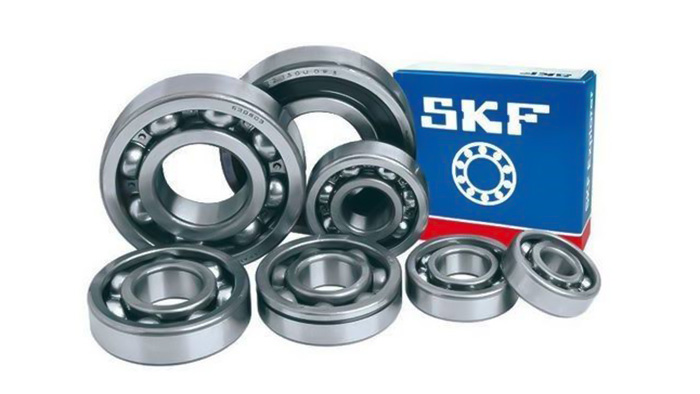
In industrial procurement, buying the right bearing is not only about selecting the correct size or type. It is also about making sure the product is genuine. Counterfeit bearings are a serious problem in global markets, and they can create major risks for factories, workshops, distributors, and maintenance teams. When a fake product enters a machine, the result may include early failure, poor performance, unplanned downtime, and expensive damage to surrounding components.
This is why understanding how to identify original SKF bearings is essential for every buyer, maintenance engineer, and industrial decision maker. SKF is one of the most trusted bearing manufacturers in the world, and because of that strong reputation, counterfeiters often copy its branding, packaging, and product markings to mislead customers.
The problem is that fake bearings may look acceptable at first glance, especially to buyers who are focused mainly on price. However, the difference in material quality, dimensional accuracy, heat treatment, and internal geometry can be substantial. Even a small flaw in a bearing can affect machine performance, especially in high speed, high load, or precision applications.
This guide explains how to identify original SKF bearings, what warning signs to watch for, and how to reduce the risk of buying counterfeit products for industrial use.
Our Products: Ball Bearings
Why Original SKF Bearings Matter
SKF bearings are widely used in electric motors, pumps, compressors, conveyors, gearboxes, mining equipment, automotive assemblies, and other industrial systems. These bearings are selected because of their reliability, performance consistency, and engineering quality.
Using original SKF bearings provides several important advantages:
- Reliable load carrying performance
- Better dimensional accuracy
- Longer service life
- More stable operation at high speed
- Lower risk of early failure
- Improved machine safety and uptime
By contrast, counterfeit bearings may be made from poor materials, produced with loose tolerances, or finished without proper quality control. This can lead to vibration, overheating, lubrication failure, and costly machine damage.
In short, a genuine bearing is not simply a branded component. It is a critical machine element that supports reliability and long term operating efficiency.
Understand the Risk of Counterfeit Bearings
Before learning the identification steps, it is important to understand why counterfeit bearings are dangerous. Fake products are not always easy to detect visually. Some counterfeiters copy packaging design, labels, logos, and laser markings with impressive accuracy.
However, counterfeit bearings often fail in the following areas:
- Inconsistent material hardness
- Inferior cage quality
- Poor rolling element precision
- Incorrect internal clearance
- Weak sealing performance
- Unstable lubrication quality
These problems may not be visible when the package is opened, but they often appear quickly during operation. This is why identifying original SKF bearings before installation is much safer than discovering the problem after machine failure.
Our Products: Roller Bearings
Check the Supplier First
One of the most effective ways to verify original SKF bearings is to start with the supplier rather than the product itself. In many cases, the most reliable protection against counterfeit bearings is purchasing from a trusted and authorized source.
A credible supplier should offer:
- Clear company identity and contact information
- Professional sales documentation
- Traceable invoices
- Product sourcing transparency
- Technical support before purchase
- Consistent market reputation
If the supplier is vague about origin, avoids technical questions, or cannot explain the sourcing channel, that is a warning sign. Industrial buyers should always prefer authorized distributors or established bearing specialists with a strong reputation in the market.
A genuine product sold through an unreliable channel still creates unnecessary risk. Supplier verification should be the first step in confirming original SKF bearings.
Examine the Packaging Quality
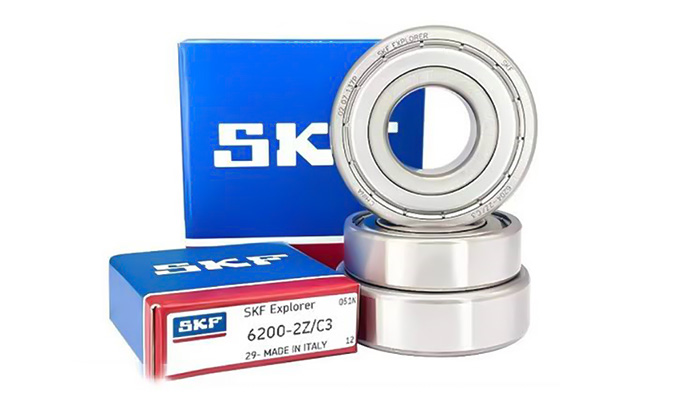
Packaging is one of the first physical clues when checking SKF product authenticity. Genuine SKF packaging is usually clean, professional, and consistent in design. The print quality should be sharp, colors should be accurate, and labels should be aligned properly.
When examining packaging, look for the following:
- Clear and high quality printing
- Correct SKF logo presentation
- Accurate product label information
- Consistent packaging structure
- No spelling mistakes or low quality graphics
- No signs of re sealing or tampering
Poor packaging often indicates a fake or suspicious product. Blurred text, faded colors, inconsistent font usage, or cheap cardboard may suggest that the bearing is not original.
While packaging alone does not prove authenticity, it is a useful first filter when evaluating original SKF bearings.
Our Products: Deep Groove Ball Bearings
Review Product Label Information
The label on the box should contain product details that are clear and consistent. In many cases, buyers can identify suspicious products simply by comparing label information with the expected bearing specification.
Check whether the label includes:
- Bearing designation or part number
- Brand name
- Country or origin related information where applicable
- Barcode or traceability details
- Batch or production related codes
The information on the box should match the marking on the bearing itself. If the box label shows one model but the bearing marking shows another, that is a serious red flag.
Consistency between packaging and product marking is an important sign of original SKF bearings.
Inspect the Bearing Markings
The bearing itself provides some of the most important authenticity clues. Genuine SKF products usually include neat, precise, and professionally applied markings. These markings may be etched, printed, or laser marked depending on the product type.
When checking the bearing, examine:
- Brand name quality
- Part number accuracy
- Country marking if present
- Batch or production code appearance
- Spacing and alignment of characters
On original SKF bearings, the marking is usually clean and consistent. Fake products may show uneven text depth, poor alignment, inconsistent font style, or rough surface finishing around the marked area.
Also pay attention to the overall finish of the bearing ring. Genuine products typically have a refined surface appearance and accurate machining quality.
Compare the Bearing Dimensions and Finish
Counterfeit bearings often fail to match original dimensional and finishing standards. Even if the fake product visually resembles an SKF bearing, small dimensional differences can affect installation and performance.
Inspect the following areas carefully:
- Surface smoothness
- Ring edge finishing
- Uniformity of raceways
- Cage quality
- Seal or shield fitment
- Overall weight consistency
A rough finish, sharp edges, loose seals, or inconsistent geometry may indicate a counterfeit product. Original SKF bearings are manufactured with tight tolerances, so the product should feel consistent, balanced, and professionally made.
In industrial environments, experienced technicians can often detect suspicious bearings simply by comparing the finish and handling quality with known genuine products.
Our Products: Linear Bearings
Check for Unusual Pricing
Price is one of the most common warning signs. If a bearing is offered at a price far below normal market level, buyers should be extremely cautious. Premium global brands such as SKF maintain relatively stable price structures across professional supply channels.
This does not mean every discounted bearing is fake, but unusually low pricing should trigger additional verification steps.
Ask practical questions such as:
- Why is this price much lower than other suppliers?
- Is the product surplus, old stock, or imported through an unusual channel?
- Can the seller provide traceable documentation?
- Is the packaging consistent with current market supply?
Buyers who focus only on low price may end up paying much more through machine downtime, replacement labor, and equipment damage. When evaluating original SKF bearings, price should always be considered alongside supplier credibility and product inspection.
Look for Documentation and Traceability
Professional suppliers of original SKF bearings should be able to support the sale with documentation. Depending on the product type and sales channel, this may include invoice traceability, sourcing information, product specifications, or supporting technical documents.
Useful documentation may include:
- Formal invoice
- Product quotation with full designation
- Batch related details
- Import or distribution information
- Technical datasheet where needed
A seller who refuses to provide documentation or becomes defensive when asked about traceability should be treated with caution.
In industrial purchasing, documentation is not only about authenticity. It also supports warranty claims, maintenance records, and procurement control.
Our Products: Angular Contact Ball Bearings
Evaluate Performance After Installation
Although authenticity should ideally be verified before installation, machine behavior after installation can also reveal problems. A suspicious bearing may initially fit into place but perform poorly in service.
Watch for early signs such as:
- Unusual vibration
- Excessive noise
- Higher than expected temperature
- Premature lubricant degradation
- Short service life
- Unexpected load instability
These symptoms do not always prove the bearing is counterfeit, but they justify immediate inspection. If a newly installed product behaves very differently from known SKF performance levels, authenticity should be questioned.
Still, it is always better to prevent the issue by verifying original SKF bearings before they enter operation.
Common Mistakes Buyers Make
Many counterfeit bearing purchases happen because of avoidable procurement mistakes. Common errors include:
- Choosing the lowest price without verification
- Buying from unknown online sellers
- Ignoring packaging inconsistencies
- Failing to compare box and bearing markings
- Not asking for traceable documents
- Assuming all branded products are genuine
Industrial buyers should build a structured verification process, especially when sourcing premium brands. This is one of the best ways to reduce procurement risk and protect machine reliability.
Best Practices for Buying Original SKF Bearings
To consistently source original SKF bearings, buyers should follow several practical rules:
- Purchase from established bearing suppliers
- Prefer authorized or well known distribution channels
- Verify label and bearing marking consistency
- Inspect packaging quality carefully
- Keep procurement records for traceability
- Be cautious with prices that seem unrealistic
- Ask for technical and commercial documentation
These steps do not require advanced laboratory testing, but they significantly reduce the chance of buying counterfeit products.
Alma Bearings supplies original SKF bearings for industrial and automotive applications. We help buyers source reliable products with proper technical support and trusted supply channels.
Conclusion
Learning how to identify original SKF bearings is essential for protecting machinery performance, maintenance budgets, and operational reliability. Genuine SKF products offer the precision, durability, and engineering quality needed for demanding industrial applications, while counterfeit products create unnecessary technical and financial risk.
The most effective verification process starts with the supplier and continues through packaging inspection, label review, bearing marking checks, dimensional assessment, and documentation control. Buyers should also remain cautious of unrealistic pricing and suspicious sales channels.
In industrial operations, the cost of a counterfeit bearing is rarely limited to the price of the product itself. It can affect the entire machine system. That is why purchasing original SKF bearings from a trusted source is one of the smartest decisions a buyer can make.
If you need help selecting or verifying SKF bearings, contact Alma Bearings for professional guidance on sourcing genuine products for your machinery.
Read More: Timken vs SKF Bearings
Frequently Asked Questions
1. How can I identify original SKF bearings?
Check the supplier reputation, packaging quality, product label consistency, bearing markings, and supporting documentation before purchase and installation.
2. Are fake SKF bearings common in the market?
Yes. Because SKF is a highly respected global brand, counterfeit versions do appear in industrial markets and unauthorized sales channels.
3. Do original SKF bearings have special markings?
Genuine SKF bearings usually have clear and professionally applied markings that match the box label and bearing designation.
4. Is low price a sign of counterfeit SKF bearings?
It can be. A price far below the normal market range is a warning sign and should be verified carefully before purchase.
Comments (0)