
Shopping Cart
There are no more items in your cart
- News
- 0 likes
- 147 views
- 0 comments
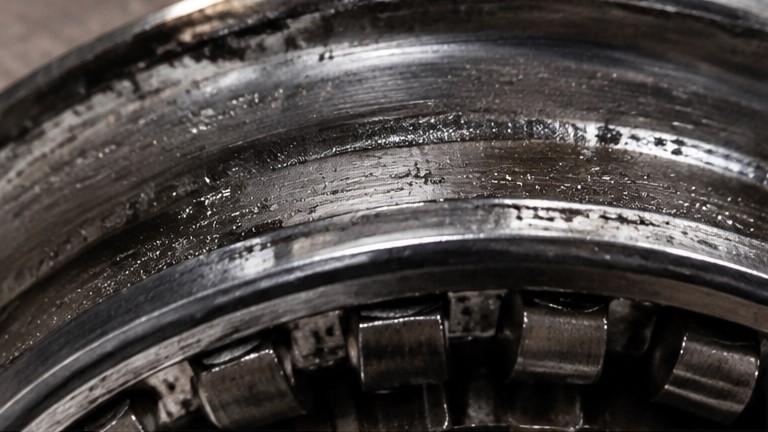
Bearings are the quiet workhorses hidden inside almost every rotating machine. From household fans and washing machines to cars, electric motors, and giant factory conveyor belts, bearings make smooth rotation possible by reducing friction between moving parts. When a bearing functions properly, a machine runs smoothly, quietly, and reliably.
However, in real-world operations, very few bearings reach their full theoretical lifespan. Most of them break down much earlier than expected. When a bearing fails, the entire machine usually grinds to a sudden halt. This unexpected breakdown can lead to loud grinding noises, severe overheating, damaged drive shafts, stopped production lines, and expensive emergency repairs.
Understanding the common bearing failure causes does not require an advanced engineering degree. At its core, bearing damage usually comes down to practical everyday issues: poor lubrication, dirt getting inside, improper installation, running under too much weight, or running too hot. By learning why bearings fail and recognizing the warning signs early, technicians, operators, and maintenance teams can easily prevent costly breakdowns and keep their equipment running smoothly for years.
Our Products: Deep Groove Ball Bearings
Poor Lubrication: The Number One Culprit
If you ask any maintenance technician why bearings fail, the most common answer by far is improper lubrication. Bearings rely on a very thin, microscopic film of grease or oil between the rolling balls or rollers and the metal rings they roll on. This slippery film prevents direct metal-on-metal contact. When that protective barrier disappears or weakens, the metal parts rub directly against each other, generating intense friction and extreme heat.
Lubrication problems generally fall into three simple categories: not enough lubricant, too much lubricant, or using the wrong type of lubricant. When a bearing does not get enough grease, it starves. The dry metal surfaces scrape against each other, creating fine metal shavings and rapid wear. On the other hand, putting too much grease into a bearing housing is just as harmful. When a bearing cavity is overpacked, the spinning balls must constantly fight and plow through heavy grease. This churning action creates high fluid friction, which raises temperatures rapidly, breaks down the grease, and damages the rubber seals.
Using the wrong grease or oil also causes quick failure. Thin oil cannot support heavy machinery loads, while grease that is too thick will not flow into tight contact spaces. Furthermore, letting old grease sit inside a machine for years without replenishment causes the oil to dry out and oxidize, turning the lubricant into a hard, crusty paste that acts more like an obstruction than a lubricant.
Dirt, Dust, and Water Contamination
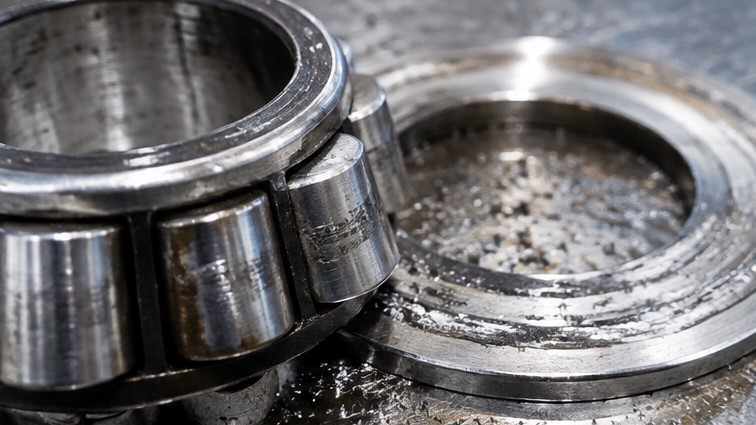
Bearings require an extremely clean environment to survive. Even tiny particles that are invisible to the naked eye can destroy a high-speed precision bearing. When dust, sand, metal chips, or chemical grit enter the bearing cavity, they mix with the grease to create an abrasive grinding paste.
As the balls roll over this dirty grease, hard particles get crushed into the smooth metal raceways. This creates microscopic dents, scratches, and gouges. Over time, these tiny dents rough up the smooth surface, causing the bearing to run rough and noisy. Once the surface is scratched, small chunks of metal begin flaking off, leading to rapid vibration and complete failure.
Moisture and water are equally destructive enemies of bearings. Water can enter bearings through high-pressure washdowns, rain exposure, or simple temperature condensation inside the housing. Water quickly washes away grease and breaks down the oil chemistry. More dangerously, moisture causes orange rust and pitting on precision-polished metal tracks. Once rust pits form on a raceway, every rotation of the balls chips away at those weak spots, destroying the bearing from the inside out.
Our Products: Bearings Units
Improper Installation and Rough Handling
A bearing is a precision mechanical component made with tight manufacturing tolerances. Unfortunately, many bearings are fatally damaged before the machine is ever turned on, simply due to improper handling and rough installation practices.
The most common installation mistake is hitting the bearing directly with a standard steel hammer or using an improper press. If someone hammers the outer ring while trying to push the inner ring onto a tight shaft, the heavy impact force is transmitted directly through the delicate rolling balls. This impact crushes small, permanent dents into the raceways. When the machine starts up, the bearing will immediately whine, vibrate, and fail within a short period.
Another major problem is improper shaft and housing sizing. If a shaft is machined just slightly too large, forcing the bearing inner ring on will stretch the metal and squeeze out all internal running clearance. With no internal space left, the balls get pinched tightly between the rings, generating extreme friction and burning out the bearing in days. Conversely, if the shaft is too loose, the bearing ring will slip, spin, and score the shaft journal.
Misalignment and Crooked Shafts
For a bearing to roll freely, the rotating shaft and the stationary housing must be lined up straight. Misalignment happens when two connected machines (such as an electric motor and a water pump) are not aligned accurately, or when a shaft bends slightly under a heavy working load.
When a shaft sits at an angle inside a rigid bearing, the rolling elements are forced to run crooked along the raceway edges instead of centered in their tracks. This uneven contact creates concentrated stress along one side of the bearing, causing heavy friction, abnormal heat, and premature metal fatigue along that single edge.
Misalignment also puts immense cyclic strain on the bearing cage—the internal basket that spaces the balls evenly apart. As the balls fight to roll straight while trapped on a crooked path, they push hard against the cage pockets. Eventually, the metal cage cracks, breaks into pieces, and gets chewed up by the spinning balls, causing a sudden and catastrophic lockup.
Overloading and Heavy Shock Loads
Every bearing is designed to carry a specific maximum amount of weight and handle a specific maximum rotational speed. When a machine is pushed beyond these rated limits, the bearing suffers from overloading. Overloading can be steady, such as running a conveyor with too much material, or dynamic, such as high-impact shock loads from vibrating machinery, rock crushers, or stamping presses.
Excessive weight presses the rolling elements so hard against the raceways that the metal surfaces begin to fatigue prematurely. Under continuous overload, tiny cracks develop beneath the metal surface. These subsurface cracks slowly travel upward until small flakes of metal break off and peel away, leaving rough potholes in the raceway.
Shock loads and sudden physical impacts make this problem worse. A sudden jam or hard jolt can crack bearing rings, break rolling elements, or permanently dent raceway grooves in a fraction of a second. If an application consistently demands heavier loads than the original machinery design, switching to a heavier-duty bearing style, such as roller bearings instead of standard ball bearings, is often necessary.
Electrical Damage from Motor Inverters
In modern factories and commercial buildings, many electric motors are controlled by Variable Frequency Drives (VFDs) to adjust motor speed and save electrical energy. While VFDs are great for process control, they can create a hidden electrical problem for standard motor bearings.
VFDs generate high-frequency electrical voltage on the motor shaft. Because the thin oil film inside the bearing acts like an electrical insulator, static voltage builds up on the spinning rotor shaft. When this voltage gets high enough, it sparks and arcs across the oil film to reach the grounded motor frame.
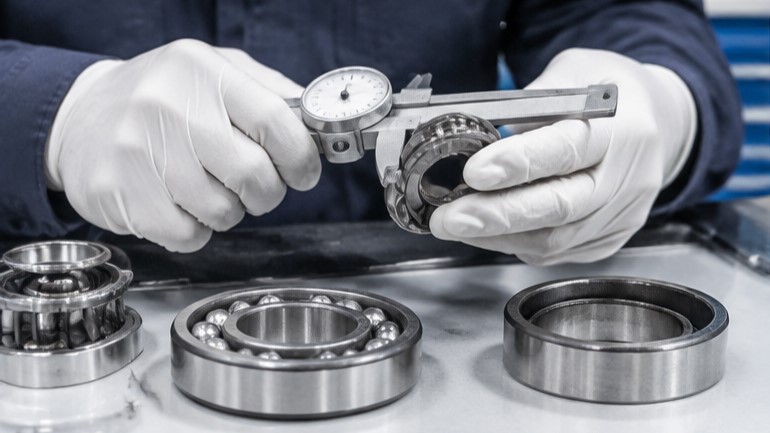
Each electrical spark acts like a tiny welding torch, melting a microscopic pit into the smooth bearing steel. Over millions of revolutions, these countless microscopic spark craters form a distinct washboard-like ridged pattern across the raceway, known as electrical fluting. This washboard surface creates loud humming, high-frequency vibration, and blackened, burned grease, quickly destroying the bearing.
Read more: How to Choose the Right Bearing for Any Industrial Application
Overview of Bearing Failure Causes and Practical Fixes
To make troubleshooting easier for maintenance teams, the primary failure modes, their visual indicators, and direct practical solutions are summarized below:
- Lubrication & Dirt Issues: Caused by lack of grease, overgreasing, degraded old oil, or dust and water entering past worn seals. Visual signs include dark burned grease, blue heat discoloration, abrasive scratches, and orange rust pits. Fix this by using the right grease type, following scheduled regreasing quantities, using ultrasonic grease guns, and installing quality contact seals or protective bearing isolators.
- Mechanical & Electrical Issues: Caused by crooked shaft alignment, violent hammer impacts during mounting, tight shaft fits, physical overloading, or VFD electrical arcing. Visual signs include one-sided raceway wear lines, dented ball tracks, cracked cages, and washboard electrical fluting. Fix this by using laser alignment tools, heating bearings properly with induction heaters for mounting, and installing motor shaft grounding rings.
Early Warning Signs of a Failing Bearing
Bearings rarely fail without giving off clear warning signs well in advance. Paying attention to how machinery looks, sounds, feels, and smells can help you catch a failing bearing before it causes catastrophic equipment damage:
- Abnormal Noise: A healthy bearing operates with a quiet, smooth hum. If you hear squealing (lack of grease), clicking or snapping (cage damage or dirt), or deep grinding and rumbling (rough, flaked raceways), the bearing is in distress.
- Excessive Temperature: While bearings naturally warm up during operation, a bearing housing that becomes too hot to touch comfortably (or spikes significantly above normal operating temperature) indicates severe friction, overgreasing, or internal clearance loss.
- Elevated Vibration: Feeling roughness or noticing increased vibration on the machine frame is a clear sign of raceway pitting, loose mounting fits, or shaft misalignment.
- Discolored or Leaking Grease: Grease leaking out of seals, turning completely black, or showing a burnt smell indicates severe thermal breakdown or seal failure.
How to Make Your Bearings Last Longer
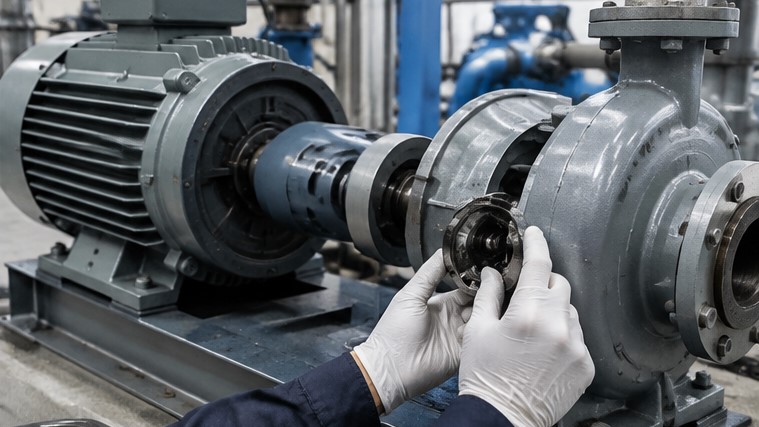
Extending bearing service life does not require complicated procedures; it simply requires consistency and good maintenance habits. Always store spare bearings flat in their original, unopened packaging in a clean, dry, vibration-free room to prevent rust and flat spots. Never open a bearing package until the exact moment you are ready to install it.
When installing bearings, use proper tools. Never strike a bearing with a hammer or use a direct flame torch to heat it. Use modern bearing induction heaters that heat the bearing evenly and safely without damaging internal metallurgical structure or factory seals. Ensure shafts and housing bores are clean, deburred, and measured with micrometers before assembly.
Finally, establish a simple, disciplined lubrication plan. Determine the correct grease type and calculated regreasing intervals for each machine based on operating speed, temperature, and environment. Keeping grease clean, sealed, and properly applied is the single most effective action you can take to keep machines running reliably.
Conclusion
Rolling bearings are tough and dependable components, but they are vulnerable to environmental contamination, poor lubrication, rough handling, misalignment, and electrical currents. The vast majority of bearing failure causes are entirely preventable with simple, standard maintenance practices.
By choosing the right lubricant, keeping dust and water out with good seals, installing bearings carefully with proper heating tools, aligning shafts accurately, and listening for early noise and temperature warning signs, you can dramatically extend machinery life, reduce repair costs, and eliminate unexpected downtime.
Looking to improve equipment reliability and source high-grade industrial bearings that stand the test of time? Contact the technical specialists at Alma Bearings today for expert component selection, failure troubleshooting, and tailored lubrication advice.
Read more: How to Choose Bearings for High Speed Machines
Frequently Asked Questions
1. What is the most common reason a bearing fails?
Improper lubrication causes over a third of all bearing failures. This includes running bearings dry, using the wrong grease, overfilling the housing with grease, and allowing old grease to degrade.
2. Can I fix a damaged bearing or do I have to replace it?
Standard ball and small roller bearings cannot be repaired once they develop surface damage, pitting, or cracks; they must be replaced immediately. Large industrial bearings (such as those used in paper mills or steel plants) can sometimes be sent to specialized reconditioning centers for remanufacturing if caught early.
3. Why does overgreasing damage a bearing?
Putting too much grease inside a bearing housing forces the rolling balls to continuously churn through excess grease. This creates high fluid friction, leading to severe overheating, grease breakdown, seal damage, and rapid bearing failure.
4. How does shaft misalignment ruin a bearing?
Misalignment forces the rolling elements to run crooked along the edges of the raceway rather than centered in their tracks. This creates heavy edge loading, high localized stress, excessive operating heat, and rapid cage fatigue.
5. What does bearing fluting mean?
Bearing fluting is a series of regular, washboard-like ridges burned across the raceway. It is caused by electrical currents from variable frequency drives (VFDs) arcing across the bearing oil film.
Comments (0)